
Total: $0.00
Taxes and shipping calculated at checkout

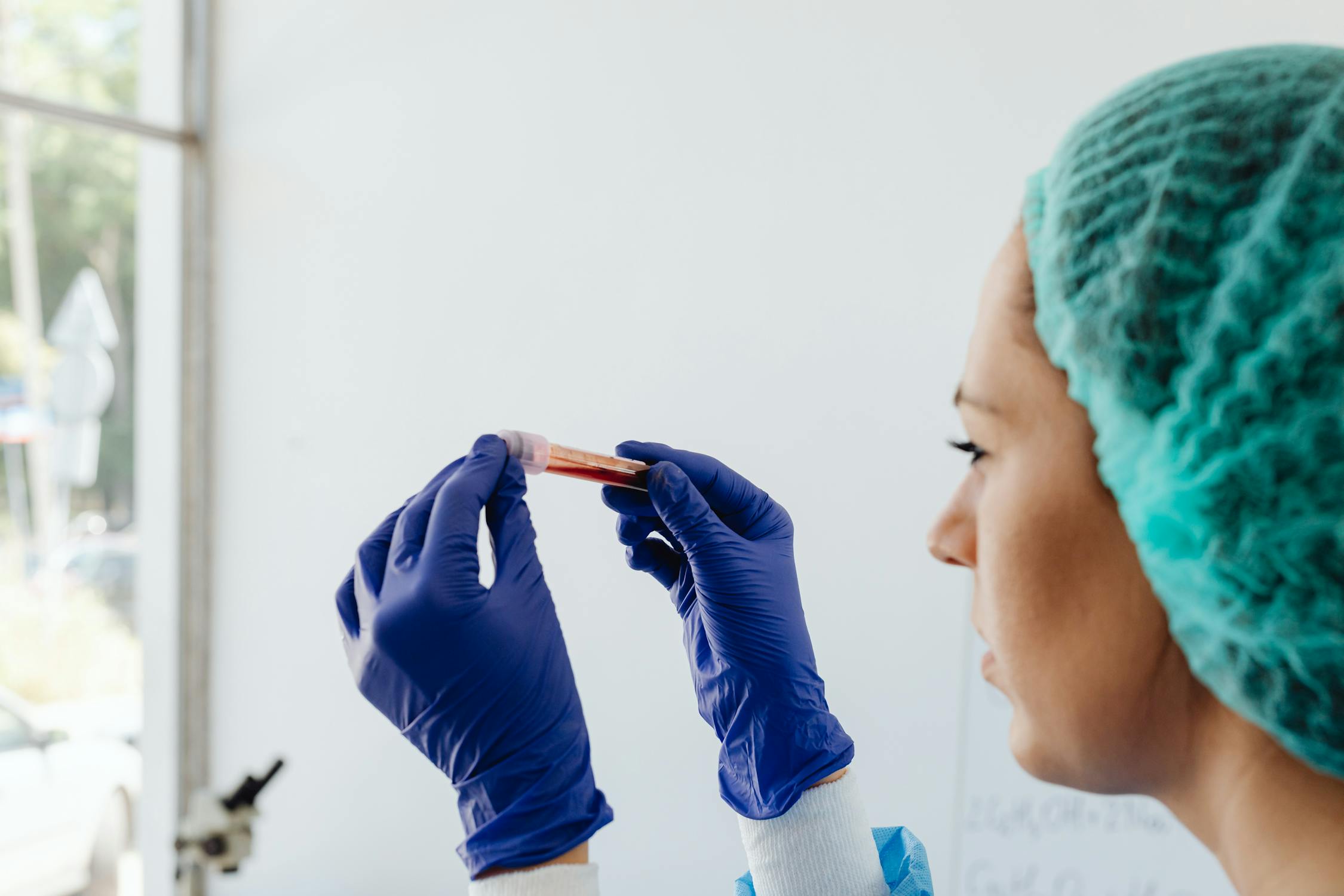
The Honest Guide to Hair Tissue Mineral Analysis: Why It's Controversial, Why It's Valuable, and How to Use It Correctly
By Brian Wentzel | GoneGreenStore.com | Updated April 2026
Hair Tissue Mineral Analysis is one of the most misunderstood tests in functional medicine. Its advocates sometimes oversell it. Its critics sometimes dismiss it entirely. The truth, as usual, sits in the middle, and understanding where this test excels and where it has genuine limitations will help you use it as the powerful screening tool it can be.
The premise is straightforward: a small sample of hair (approximately 125mg, cut from the first 1.5 inches closest to your scalp) is dissolved and analyzed using inductively coupled plasma mass spectrometry (ICP-MS). This technology measures the concentration of 35+ elements, including essential minerals, trace minerals, and toxic metals, at parts-per-million or parts-per-billion sensitivity.
This is the most common question, and the answer matters for understanding what HTMA can and cannot do.
Blood is a transport medium. It carries nutrients, hormones, and metabolites between organs and tissues. Blood mineral levels are tightly regulated by homeostatic mechanisms: your body works hard to keep blood calcium, for example, within a narrow range regardless of what's happening at the tissue level. This is why your serum calcium can read 'normal' while your body is pulling calcium from bones to maintain that blood level.
Hair is a deposit tissue. As hair grows (approximately 1 cm per month), it incorporates minerals and metals from the blood supply feeding the hair follicle. The resulting mineral profile reflects an averaged picture of what was circulating and being deposited over the growth period of that sample. A 1.5-inch sample represents roughly 3 months of mineral activity.
This means blood and hair tests measure fundamentally different things. Blood tells you what's circulating right now. Hair tells you what's been deposited over time. Both are valuable. Neither replaces the other.
Most people look at HTMA results and focus on individual mineral levels: 'my magnesium is low' or 'my mercury is high.' While these individual readings matter, the real diagnostic power of HTMA lies in three progressively deeper layers of analysis:
Layer 1: Individual mineral levels: Your levels of calcium, magnesium, sodium, potassium, zinc, copper, iron, manganese, chromium, selenium, phosphorus, and other essential minerals. These readings tell you what's being deposited in tissue, which broadly correlates with long-term status.
Layer 2: Mineral ratios: This is where HTMA becomes genuinely powerful. The relationship between minerals reveals metabolic patterns that individual numbers cannot. The calcium-to-potassium ratio reflects thyroid function at the tissue level. The sodium-to-magnesium ratio indicates adrenal cortex function. The zinc-to-copper ratio reveals immune system balance and estrogen metabolism. The calcium-to-magnesium ratio shows autonomic nervous system regulation. These ratios have been validated through decades of clinical correlation by researchers including Dr. Paul Eck, Dr. David Watts, and Dr. Rick Malter.
Layer 3: Toxic metal accumulation: HTMA measures accumulation of toxic metals including lead, mercury, arsenic, cadmium, aluminum, and others at tissue level. This is particularly valuable because blood tests for toxic metals primarily measure recent acute exposure, while HTMA reveals chronic accumulation over months.
If you search 'is HTMA accurate' or 'HTMA test criticism,' you'll find articles claiming the test is unreliable, unscientific, or even fraudulent. These criticisms aren't entirely wrong , but they're not entirely right either. Here's the honest breakdown.
Interlaboratory variability is real. Multiple studies, most notably the 2001 study published in the Journal of the American Medical Association (JAMA), found that the same hair sample sent to different labs produced significantly different results. This is a real and documented problem that undermines confidence in HTMA if you're comparing results across laboratories.
External contamination affects results. Hair products containing zinc (Head & Shoulders), selenium (Selsun Blue), or other minerals can artificially elevate those readings. Swimming in chlorinated pools, chemical hair treatments, and some dyes affect results. This means sample contamination is a genuine source of error that must be controlled for.
Medical establishment skepticism exists for a reason. The American Medical Association does not endorse HTMA as a diagnostic tool. Most conventional physicians don't order it, don't know how to interpret it, and may actively discourage patients from using it. This institutional skepticism isn't baseless; it reflects genuine concerns about standardization and over-interpretation.
The variability problem has been significantly addressed. The 2001 JAMA study compared labs using different analytical methods and different reference ranges. When you use the same lab with consistent methodology (particularly ICP-MS technology), your results become internally comparable. The relevant question isn't 'do all labs agree?': it's 'does the same lab produce consistent results for the same individual over time?' And the answer to that question is yes, the within-lab reproducibility of modern ICP-MS analysis is quite good.
Critics evaluate HTMA on the wrong criteria. Most criticism focuses on individual mineral levels and asks whether they're 'accurate' in absolute terms. But the clinical value of HTMA primarily lives in ratios and trends, not absolute numbers. Even if lab A says your calcium is 42 mg% and lab B says 38 mg%, if both labs show the same calcium-to-potassium ratio and the same trend when you retest, the clinical insight is preserved.
No single test stands alone. HTMA was never intended to replace blood testing, urine testing, or diagnostic imaging. It's a screening tool that identifies patterns warranting further investigation. The practitioners who get in trouble are those treating HTMA as a standalone diagnostic. The ones who use it as one data point in a larger clinical picture get tremendous value from it.
OUR HONEST POSITION
Our position: HTMA is a valuable screening tool when used correctly, meaning: same lab consistently, proper sample collection, ratio-based interpretation, and results viewed alongside other testing data. It is NOT a diagnostic test, and anyone claiming they can diagnose specific conditions from HTMA alone is overstating the evidence. Used within these boundaries, it provides unique information that no other test offers.
This is where HTMA becomes genuinely useful for health decision-making. Individual numbers provide context, but ratios reveal metabolic patterns that guide action.
The Ca/K ratio correlates with thyroid function at the tissue level. Calcium slows metabolic rate while potassium supports cellular sensitivity to thyroid hormone. An elevated Ca/K ratio (above 4:1) suggests reduced thyroid effect at the tissue level, even when blood TSH reads 'normal.' This is clinically relevant because many people with thyroid symptoms are told their blood work is fine when their tissue-level thyroid response is actually suboptimal.
A depressed Ca/K ratio (below 2.5:1) may indicate thyroid excess or elevated cortisol driving potassium into cells. Context matters: this ratio must be interpreted alongside sodium/potassium and other metabolic indicators.
The Na/Mg ratio reflects adrenal cortex activity. Aldosterone (regulated by the adrenal cortex) promotes sodium retention, while magnesium acts as a calming mineral that counterbalances adrenal activity. An elevated Na/Mg ratio suggests adrenal hyperactivity, the 'wired but tired' pattern common in early-stage stress response. A depressed Na/Mg ratio suggests adrenal insufficiency, the 'burned out' pattern seen in chronic stress, mold illness, and prolonged HPA axis dysregulation.
For mold-sick patients, this ratio is particularly informative because mold illness drives HPA axis dysregulation over time. Many CIRS patients show a characteristically low Na/Mg ratio reflecting the adrenal exhaustion that chronic inflammatory response creates.
The Zn/Cu ratio reveals immune system balance and estrogen metabolism. Zinc and copper are antagonistic minerals; supplementing one without checking the ratio can deplete the other. An elevated copper-to-zinc relationship (low Zn/Cu) is associated with estrogen dominance, immune dysregulation, anxiety, and brain fog. This pattern is remarkably common in mold illness patients, likely because mycotoxin exposure disrupts metallothionein (the protein that regulates zinc and copper trafficking).
An elevated Zn/Cu ratio may indicate copper deficiency, which affects connective tissue health, iron metabolism, and neurotransmitter production. The ratio matters more than either number in isolation.
The Ca/Mg ratio reflects autonomic nervous system regulation. Calcium is excitatory at the cellular level while magnesium is inhibitory. A high Ca/Mg ratio (above 7:1) suggests sympathetic nervous system dominance, associated with anxiety, muscle tension, insomnia, and cardiovascular stress. A low Ca/Mg ratio may indicate parasympathetic excess or magnesium-driven sedation.
This ratio is particularly useful for understanding why someone might feel anxious and wired despite taking magnesium supplements: if calcium is massively elevated relative to magnesium, supplemental magnesium alone may not shift the ratio enough to produce the calming effect expected.
Because external contamination is a legitimate concern, proper sample collection is essential for reliable results.
Shampoo matters: Use only natural, mineral-free shampoo for 72 hours before sample collection. Avoid Head & Shoulders (zinc), Selsun Blue (selenium), and any 'mineral-enriched' products. If you use these regularly, switch to a clean shampoo for at least 2 weeks before testing.
Chemical treatments: Wait at least 6-8 weeks after chemical coloring, perming, bleaching, or keratin treatments before collecting a sample. These treatments alter the mineral composition of the hair shaft and will produce unreliable results.
Pool swimming: Wait at least 2-3 weeks after heavy pool use. Chlorinated and brominated water can affect certain mineral readings.
Collection site: Hair must be cut from the nape of the neck (or several locations on the scalp for short hair), as close to the scalp as possible. Only the first 1.5 inches from the scalp are used; the rest is discarded because it represents a longer (and less relevant) time window.
Lab consistency: Always use the same laboratory for baseline and follow-up testing. This eliminates interlaboratory variability and ensures your results are directly comparable over time.
Not all HTMA labs are created equal. Look for labs using ICP-MS (inductively coupled plasma mass spectrometry) rather than older techniques like atomic absorption spectroscopy. ICP-MS provides superior sensitivity, accuracy, and reproducibility. EquiLife's partner lab uses ICP-MS methodology, which is one reason we recommend their HTMA test.
Once you have your HTMA results, the Two-Axis Foundation gives you a clear decision path for what to do next.
Elevated lead, mercury, arsenic, cadmium, or aluminum on HTMA indicates chronic tissue-level accumulation. Your next steps depend on which metals and how elevated, but the general protocol flows through the Purify pillar: infrared sauna therapy for mobilization our infrared sauna therapy guide, binder protocols for capture our binders comparison guide, and drainage support for elimination.
For mercury specifically, if your levels are significantly elevated, discuss DMSA or DMPS chelation with a practitioner before relying solely on sauna and binders. Heavy metal chelation is beyond the scope of at-home protocols and requires medical supervision due to redistribution risks.
Disrupted mineral ratios indicate the Deficiency axis of the Two-Axis framework needs attention. But here's the critical insight: don't just supplement what's 'low.' Look at the ratios first. If your zinc is low but your copper is also low, you may need both, not just zinc. If your calcium is high and magnesium is low, supplementing calcium would worsen the ratio. The ratio determines the intervention, not the individual number.
This is where EquiLife's health coaching becomes particularly valuable, as they can help translate your specific ratio patterns into targeted supplementation recommendations rather than the generic 'take a multivitamin' approach that ignores individual biochemistry.
If HTMA shows both toxic metal accumulation AND mineral ratio disruption (which is extremely common in mold illness and chronic environmental exposure), you need the full protocol sequence: Protect (stop ongoing exposure), Measure (HTMA is already done, but consider adding mycotoxin testing and OAT testing for a complete picture), Purify (infrared sauna + binders + drainage), Restore (targeted mineral and nutrient replacement based on YOUR data).
HTMA's greatest clinical value emerges over time, through sequential testing that reveals trends and treatment response.
Your baseline test establishes where you're starting. After 90 days of targeted intervention ( whether that's sauna therapy, chelation, mineral supplementation, or dietary changes), your retest shows what's actually moving. This transforms HTMA from a static snapshot into a dynamic monitoring tool.
What to look for on retest:
Ratio trends: Are key ratios (Ca/K, Na/Mg, Zn/Cu, Ca/Mg) trending toward optimal ranges? Even partial movement in the right direction indicates your protocol is working.
Toxic metal trajectory: Are previously elevated toxic metals decreasing? Note: some metals may temporarily increase on retest if your protocol is mobilizing them from deeper tissue. This is similar to the mycotoxin excretion pattern discussed in our mold detox sauna protocol guide.
Mineral response: Has supplementation shifted the mineral picture? If you've been taking magnesium, is Mg rising and the Ca/Mg ratio improving? If not, you may need to adjust the form, dose, or cofactors.
CONSISTENCY IS KEY
Keep the same pre-test protocol every time you retest: same shampoo routine, same timing relative to chemical treatments, same lab. Controlling these variables ensures that changes in your results reflect actual biological changes, not collection artifacts.
We've evaluated multiple HTMA providers before choosing which to carry at GoneGreenStore.com. EquiLife stands out for several reasons that matter to our audience:
Lab quality: ICP-MS methodology ensures reliable, reproducible results. Their partner lab has been processing HTMA samples for years with consistent quality. This addresses the interlaboratory variability concern directly, by using the same quality lab consistently, your results are comparable over time.
Health coaching included: Every EquiLife HTMA purchase includes access to certified health coaches who can help you understand your ratio patterns and develop targeted supplementation strategies. This coaching layer transforms HTMA from a data dump into an actionable health plan.
At-home convenience: Cut your hair sample at home, package it per instructions, mail it to the lab. No blood draw, no lab appointment, no hassle. Results typically arrive within 2-3 weeks.
Entry point options: If you're not sure HTMA is the right starting test for you, the Lab Selection Call ($49, refundable toward any test purchase) connects you with a health coach who can review your symptoms and recommend whether HTMA, OAT, mycotoxin testing, or a combination is the best starting point for your situation. Functional Medicine Testing at Home: The Data-First Guide
HTMA isn't perfect. No single test is. But when used correctly (same lab, proper collection, ratio-based interpretation, combined with other functional testing), it provides a 3-month tissue-level mineral and toxic metal picture that no blood test can replicate.
If you're spending money on supplements without knowing your mineral ratios, you're guessing. And as we've seen throughout this guide, guessing leads to waste at best and worsening symptoms at worst.
YOUR ACTION STEPS
Ready to Get Your Data?
Start here: EquiLife HTMA Test on GoneGreenStore.com
EquiLife HTMA Test
Not sure HTMA is your best starting test? Book a Lab Selection Call ($49, refundable)
Want the complete functional testing picture? Read our comprehensive guide: Functional Medicine Testing at Home: The Data-First Guide
Suspect mold exposure? Download the Mold Free Home Guide for the complete recovery protocol
This article is part of our functional testing content hub. For the full testing decision framework, read Functional Medicine Testing at Home: The Data-First Guide. For specific test deep dives, see our guides on mycotoxin testing, OAT testing, and the Vita-Min Tox bundle.
