
Total: $0.00
Taxes and shipping calculated at checkout

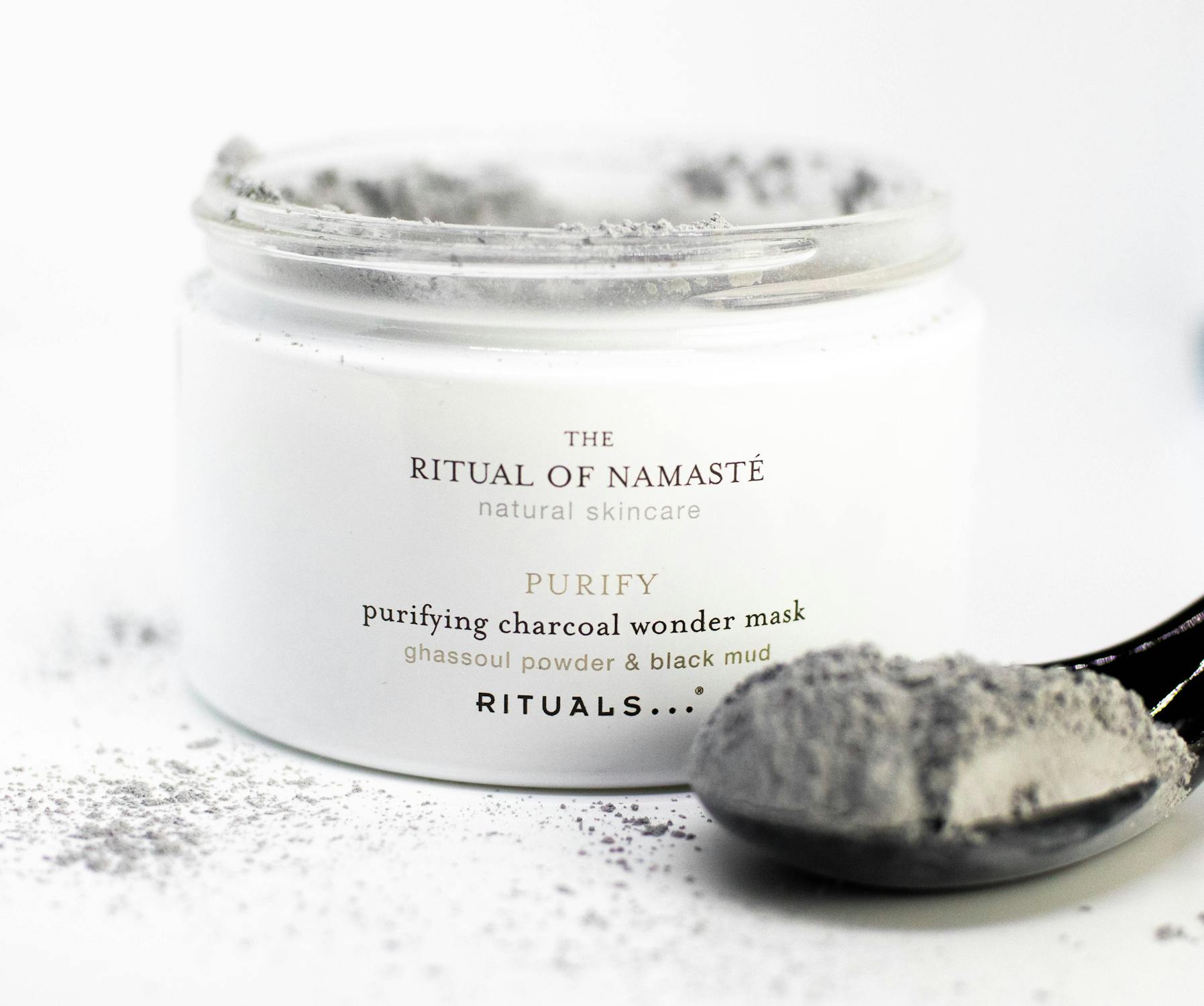
A mechanism-level comparison of detox binders – what each one actually binds, when to take them relative to sauna sessions, and how to build a protocol that matches your toxin profile.
By Brian Wentzel | GoneGreenStore.com | Updated April 2026
If you're using infrared sauna therapy as part of a detox protocol and you're not taking binders, you're doing the equivalent of sweeping dust into the air without opening a window. The toxins you mobilize during a sauna session – mycotoxins, heavy metals, environmental chemicals – enter circulation through fat mobilization and eventually reach the gut through bile excretion. Without something in the gastrointestinal tract to capture them, they get reabsorbed through the intestinal wall, recirculate through the bloodstream, and deposit right back where they came from. Pain without progress.
This process – enterohepatic recirculation – is the single biggest reason people feel terrible after sauna sessions and the most common protocol gap in infrared sauna therapy. Spoke 3 guide The solution is simple in concept and nuanced in execution: take binders that physically trap mobilized toxins in the gut before they can be reabsorbed.
But which binder? The options range from prescription pharmaceuticals to over-the-counter supplements, and they differ significantly in mechanism, specificity, side effects, and cost. This guide breaks down each option so you can build a binder protocol that actually matches your situation. Hub A guide
The liver processes circulating toxins and packages them into bile, which is excreted into the small intestine. In a healthy system, bile (and its toxin cargo) moves through the intestines and exits the body in stool. But the gut is designed to reabsorb bile salts – it's an efficient recycling system. The problem is that toxins hitchhiking on bile get recycled too.
During infrared sauna therapy, you're dramatically increasing the volume of toxins entering this cycle. Far infrared penetrates 1.5 to 3 inches into tissue, raising core temperature and triggering lipolysis – the breakdown of fat cells where lipophilic toxins like mycotoxins and certain heavy metals are stored. The liver suddenly has to process a surge of mobilized compounds, and the bile pathway becomes the bottleneck.
Binders work by sitting in the intestinal lumen and physically adsorbing (or absorbing, depending on the binder) toxins as they pass through in bile. The binder-toxin complex is too large to be reabsorbed, so it exits in stool. Simple, mechanical, and effective – if you match the right binder to the right toxin and get the timing right.
Cholestyramine (brand name Questran) is a bile acid sequestrant originally developed for cholesterol management. Dr. Ritchie Shoemaker's research identified it as the most effective binder for mycotoxins, particularly ochratoxin A and the trichothecene family. His published protocols using cholestyramine showed significant reductions in mycotoxin biomarkers and clinical improvement in CIRS patients.
The mechanism is straightforward: cholestyramine has an exceptionally strong affinity for bile acids and the toxins bound to them. It creates an almost irreversible bond, meaning once a mycotoxin is captured, it stays captured through the entire intestinal transit.
The downsides are real. Cholestyramine requires a prescription. It causes significant constipation in many users – counterproductive when the goal is elimination. It binds medications (must be taken 1 hour before or 4 hours after other medications). It can cause bloating, gas, and nausea. And it binds fat-soluble vitamins (A, D, E, K), requiring supplementation.
Cholestyramine is the clinical-grade option for confirmed mycotoxin illness under practitioner supervision. It's not the starting point for general sauna detox support.
Activated charcoal is the broadest-spectrum binder available without a prescription. Its massive surface area – one gram of activated charcoal has roughly 3,000 square meters of surface area – allows it to adsorb a wide range of compounds through van der Waals forces.
What it binds well: mycotoxins (moderate affinity), bacterial endotoxins, pesticides, herbicides, some heavy metals, various organic compounds. Research published in the journal Mycotoxin Research demonstrated that activated charcoal reduces aflatoxin absorption by 60 to 80 percent in animal models, with similar binding capacity for other mycotoxin families.
What it doesn't bind well: it has limited specificity for certain heavy metals (particularly mercury and lead), and its broad-spectrum nature means it also binds nutrients and medications. This is the "catches everything, including things you want to keep" binder.
For sauna detox, activated charcoal is the most practical starting point. It's inexpensive, widely available, well-tolerated by most people, and has a broad enough binding profile to capture multiple toxin types. The main limitation is that it must be taken well away from food, medications, and supplements – typically 2 hours before or after meals and 30 minutes before or after sauna sessions.
Bentonite clay (specifically calcium or sodium montmorillonite) is a natural binder with a different mechanism than charcoal. Its layered silicate structure carries a negative electrical charge that attracts positively charged toxins. It also swells when hydrated, creating a gel-like matrix that traps compounds mechanically.
What it binds well: aflatoxins (strong binding – this is one of the most studied applications), certain heavy metals (lead, cadmium), and some pesticides. A study in Applied Clay Science demonstrated that montmorillonite clay reduced aflatoxin B1 bioavailability by over 90 percent in controlled conditions.
The unique advantage of bentonite is that it contributes trace minerals to the gut while binding toxins – it's not purely subtractive like charcoal. For people who are already mineral-depleted from chronic illness and sauna-induced sweating, this dual action is valuable.
The downside is that bentonite can cause constipation if taken without adequate hydration, and quality varies enormously between products. Food-grade calcium bentonite from reputable sources is essential – some bentonite products contain significant levels of lead or other contaminants.
Zeolite is a volcanic mineral with a rigid, cage-like crystalline structure that traps specific compounds based on molecular size and charge. Clinoptilolite, the most studied zeolite form, has pores of a specific diameter that preferentially trap heavy metals – particularly mercury, lead, cadmium, and arsenic.
What it binds well: heavy metals (strong affinity – this is zeolite's primary advantage), ammonia, some mycotoxins, histamine. A 2019 study published in Frontiers in Pharmacology reviewed clinoptilolite's binding properties and confirmed significant affinity for lead, cadmium, and arsenic through ion exchange mechanisms.
What makes zeolite different: its cage structure creates size-selective binding. Compounds that fit into the molecular pores are trapped almost permanently, while larger molecules pass by. This gives zeolite more specificity than charcoal – fewer unintended nutrient captures.
For sauna protocols focused on heavy metal detox, zeolite is the targeted choice. It pairs well with infrared sauna because the heat mobilizes fat-stored heavy metals, and zeolite captures them in the gut before reabsorption. Spoke 8 guide
Chlorella is a single-celled green algae that functions as a gentle binder, particularly for heavy metals. Its cell wall contains compounds that bind mercury, cadmium, and lead, though with lower affinity than zeolite or pharmaceutical chelators.
The appeal of chlorella is that it's also a nutrient source – it contains chlorophyll, amino acids, vitamins, and minerals. It's the "binder that gives back," making it popular in functional medicine circles for long-term maintenance protocols.
The limitation is that chlorella's binding capacity is significantly lower than the other options on this list. It's best used as a maintenance binder between intensive protocols, not as the primary binder during active sauna-based detoxification. Some people also experience digestive upset or histamine reactions from chlorella, making it unsuitable for mast cell activation patients.
This is where the conversation moves from general to specific. Not all binders bind all toxins equally, and using the wrong binder for your primary toxin exposure wastes money and time.
If your primary concern is mycotoxin illness (confirmed through urine mycotoxin testing): cholestyramine (prescription) is the evidence-based first choice. Activated charcoal or bentonite clay are reasonable over-the-counter alternatives if cholestyramine isn't accessible.
If your primary concern is heavy metal burden (confirmed through HTMA or provoked urine testing): zeolite is the targeted choice for gut-level binding. Note that zeolite works in the gut – for systemic heavy metal chelation, you'd need chelating agents like DMSA or EDTA under practitioner supervision. Spoke 1 guide
If you're doing general detox support without specific testing: activated charcoal provides the broadest coverage. It's the most forgiving starting point because it catches a wide range of compounds.
If you're on a long-term maintenance protocol after initial intensive detox: chlorella provides gentle ongoing binding with nutritional support, or rotate between charcoal and bentonite on alternating days.
Binder timing relative to sauna sessions is the most common protocol error, and getting it wrong dramatically reduces effectiveness.
30 minutes before your sauna session: Take your primary binder with a full glass of water. This gives the binder time to reach the small intestine – the primary site where bile-carried toxins enter the gut. The binder is "in position" when the heat-mobilized toxins start arriving via the bile pathway.
During your sauna session: No binders needed. Focus on hydration with electrolytes.
30 minutes after your sauna session: Take a second dose of binder. The post-session window is when bile dumping is most active – your liver has been processing mobilized toxins throughout the session and for 30 to 60 minutes afterward. Fresh binding capacity in the gut captures this second wave.
Critical spacing: Binders must be taken at least 30 minutes before meals and 2 hours after meals. They must be spaced at least 1 hour away from medications and 2 hours from supplements. Failure to space properly means the binder grabs your food, medications, and supplements instead of (or in addition to) toxins.
Every binder carries a cost beyond its purchase price: mineral and nutrient depletion. Charcoal is the worst offender because it's nonspecific – it binds minerals, vitamins, and medications alongside toxins. Cholestyramine depletes fat-soluble vitamins. Even zeolite, despite its selectivity, can remove trace minerals through ion exchange.
This is why long-term binder use without monitoring is risky. After 4 to 6 weeks of regular binder use, getting an HTMA test to assess mineral status is strongly recommended. The test reveals whether your binder protocol is creating mineral deficiencies that need to be corrected through targeted supplementation. Hub B guide
The practical solution is to separate binder doses from nutrient-dense meals and supplements by at least 2 hours, take a comprehensive mineral supplement on days you use binders, and periodically assess your mineral status through testing rather than guessing.
Starting simple is not just okay – it's smart. Activated charcoal from a reputable source costs $15 to $25 per month. Bentonite clay runs $10 to $20 per month. These are accessible starting points that provide meaningful support for most sauna detox protocols.
Zeolite products range from $30 to $60 per month depending on form (powder vs. liquid) and quality. Clinoptilolite in micronized powder form tends to offer the best value per binding dose.
Cholestyramine requires a prescription and insurance coverage varies, but out-of-pocket costs can run $50 to $150 per month. This is the option you graduate to when testing confirms mycotoxin illness and over-the-counter binders aren't producing adequate results.
The evidence-based approach: start with activated charcoal for the first 4 to 6 weeks of your sauna protocol. If you're tolerating sauna well and feeling progressive improvement, stay the course. If you're confirmed mycotoxin-positive through testing, discuss cholestyramine with your practitioner. If heavy metals are your primary concern, switch to zeolite. Test, assess, adjust.
Binders are the unglamorous foundation of any effective sauna detox protocol. They don't generate the excitement of a new infrared sauna, but without them, the sauna's effectiveness drops dramatically. The science is clear: mobilizing toxins without binding them leads to recirculation, increased symptoms, and the frustrating experience of working hard at detox while making minimal progress.
Match your binder to your toxin. Time it around your sauna sessions. Monitor your mineral status. And start simple – you can always escalate based on what the testing shows.
Next Steps:
Explore our detox support collection for binder options. For testing your mineral status during binder use, visit our EquiLife HTMA testing page.
This article is part of the complete mold recovery framework on GoneGreenStore.com. Explore related guides:

