
Total: $0.00
Taxes and shipping calculated at checkout

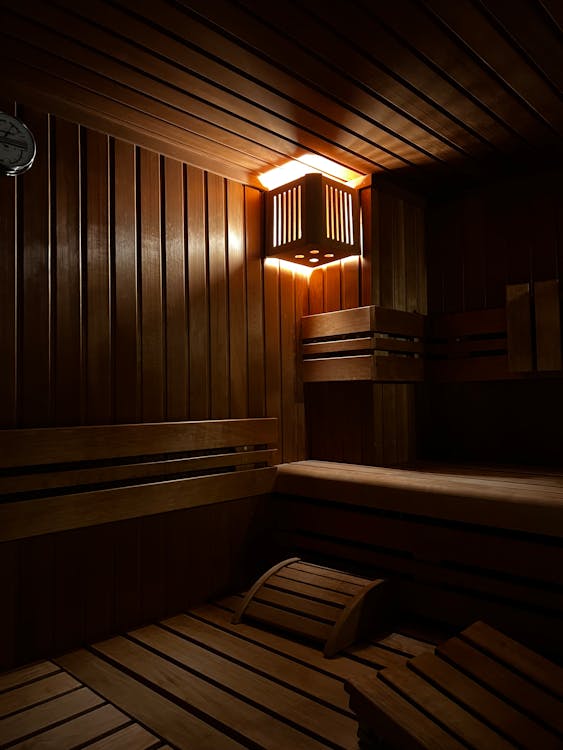
What the science actually shows, how to build a real protocol, and why most detox advice gets it wrong.
By Brian Wentzel | GoneGreenStore.com | Updated April 2026
Your fat cells are a storage facility. Not just for energy: for every fat-soluble toxin your body couldn’t eliminate fast enough. Heavy metals. Mycotoxins from mold exposure. Pesticide residues. Petrochemical metabolites. They’re locked in adipose tissue, and they don’t leave on their own.
I know this because I lived it. After years of undiagnosed mold exposure, my body had become a reservoir for compounds I couldn’t pronounce, let alone process. Standard blood panels looked “normal.” But I was anything but normal: brain fog so thick I couldn’t finish sentences, fatigue that sleep didn’t touch, joint pain that migrated without pattern. My body was drowning in what it couldn’t clear.
Infrared sauna therapy became one of the most important tools in my recovery. Not because it’s a magic bullet (it isn’t), and anyone who tells you otherwise is selling something they don’t understand. But because it accesses something that almost nothing else can: the fat-soluble toxins your liver and kidneys can’t fully process through normal elimination pathways.
This guide is everything I wish someone had written when I was researching sauna therapy at 2 AM, scrolling through contradictory wellness blogs and clinical abstracts. It’s the science explained at mechanism level, the protocol built from practitioner consensus, and the honest assessment of what infrared therapy can and can’t do, all from someone who’s used it as part of a real recovery protocol, not a weekend wellness routine.
Framework Note: This article is part of our Two-Axis Foundation content series, a two-axis approach to health that addresses both toxicity (what’s harming you) and deficiency (what you’re missing). Infrared sauna therapy sits in the PURIFY pillar: clearing stored toxins so your body can heal. If you haven’t tested yet to know what you’re dealing with, start with our guide to functional medicine testing at home.
Let’s get the oversimplification out of the way: the wellness industry loves to say infrared saunas “sweat out toxins.” That’s not wrong, exactly, but it’s so reductive that it’s almost misleading. The real mechanisms are more interesting, and more important for building an effective protocol.
Traditional saunas heat the air around you. Your skin gets hot, you sweat, you feel relaxed. Infrared saunas do something fundamentally different. Far-infrared wavelengths (roughly 5.6 to 1000 micrometers) penetrate 1.5 to 4 centimeters into tissue. They’re not heating the air; they’re heating YOU, from the inside out.
This penetration depth matters because it reaches subcutaneous fat tissue. That’s where fat-soluble toxins live. When infrared energy heats adipose tissue directly, it mobilizes compounds that surface-level sweating can’t reach. Think of it as the difference between washing the outside of a jar and actually getting the stuff that’s stuck to the inside.
This is one of the most important mechanisms in infrared sauna therapy, and it’s the one most wellness content either glosses over or gets wrong. So let’s go deep.
When your core temperature rises during an infrared sauna session, your cells activate a powerful stress response: they produce heat shock proteins, specifically a family called HSP70. The name makes them sound like a reaction to damage. They’re actually the opposite: they’re your body’s molecular repair machinery, and understanding what they do explains why consistent infrared sauna use produces benefits that go far beyond sweating.
Heat shock proteins are molecular chaperones. That’s a technical term for proteins that help other proteins fold into their correct three-dimensional shape. Why does this matter? Because protein misfolding is one of the core mechanisms of cellular damage from chronic toxin exposure.
When mycotoxins, heavy metals, or other environmental toxins accumulate in your tissues, they cause oxidative stress that damages proteins throughout your cells. Damaged proteins misfold. Misfolded proteins can’t do their jobs, and worse, they can aggregate into dysfunctional clumps that interfere with normal cellular operations. This is one of the reasons chronically ill people experience such wide-ranging symptoms: the protein damage is system-wide.
HSP70 does three critical things:
Protein refolding: It identifies misfolded proteins and physically guides them back into their correct shape. Think of it as a quality control inspector that also has the tools to fix what it finds.
Damaged protein clearance: When proteins are too damaged to repair, HSP70 tags them for disposal through the proteasome, your cell’s recycling system. This prevents the accumulation of cellular debris that drives inflammation.
Protective shielding: HSP70 wraps around healthy proteins during heat stress, preventing them from denaturing in the first place. It’s simultaneously fixing old damage and preventing new damage.
For someone recovering from mold exposure, Lyme disease, or heavy metal accumulation, HSP70 activation is not a secondary benefit of sauna therapy: it may be one of the primary mechanisms of healing.
Chronic biotoxin illness creates a self-reinforcing cycle: toxins cause oxidative stress, which damages proteins, which impairs cellular function, which reduces your body’s ability to clear the toxins that caused the damage in the first place. HSP70 breaks this cycle by restoring protein function at the cellular level, even while the toxin clearance process is still ongoing.
Research has also shown that HSP70 activation:
Reduces inflammatory signaling: Modulates the immune response by interacting with antigen-presenting cells, relevant for the immune dysregulation seen in CIRS and chronic Lyme
Supports gut barrier integrity: HSP70 helps maintain the integrity of the intestinal epithelial barrier. For people with mold-induced leaky gut, this is directly relevant to recovery.
Protects mitochondrial function: HSP70 localizes to mitochondrial membranes, where it helps maintain electron transport chain function. For the mitochondrial dysfunction that characterizes chronic fatigue in mold and Lyme patients, this is mechanistically significant.
Why Infrared Specifically: Here’s what makes infrared sauna unique for HSP70 activation: the gradual, sustained core temperature elevation from far-infrared penetration produces a longer HSP70 response than a quick hot shower or traditional sauna blast. Your cells spend more time in the HSP70 production zone because infrared heats tissue directly rather than heating air. This is one of the reasons 30–45 minute infrared sessions at moderate temperatures (125–140°F) often outperform shorter, hotter traditional sauna sessions for therapeutic purposes.
One of the most encouraging aspects of HSP70 research is the conditioning effect. Regular heat exposure doesn’t just produce HSP70 during and immediately after sessions; it upregulates your baseline HSP70 production over time. Your cells become better at producing repair proteins even when you’re not in the sauna.
This is why consistent sauna practice (3–5 sessions per week) produces compounding benefits that occasional use doesn’t. You’re not just getting a temporary repair boost; you’re training your cellular repair machinery to operate at a higher capacity permanently. For someone rebuilding from years of chronic illness, this progressive strengthening of cellular resilience is transformative.
You’ll see saunas marketed as “far-infrared,” “near-infrared,” or “full-spectrum.” This isn’t just marketing. Each wavelength range does something different:
Far-infrared (5.6–1000 μm): Deep tissue penetration and fat-soluble toxin mobilization. This is the heavy lifter for detox protocols. Most of the clinical research on sauna therapy for toxin clearance involves far-infrared.
Near-infrared (700–1400 nm): Photobiomodulation: the interaction of light with mitochondria. Near-infrared wavelengths are absorbed by cytochrome c oxidase in the electron transport chain, increasing ATP production. In plain language: it helps your cells make more energy. For mitochondria damaged by chronic toxin exposure, this is repair-level support.
Mid-infrared (1.4–5.6 μm): Skin-level warming. Less clinically significant for detox, but contributes to the overall thermal effect and has some wound-healing and collagen-supporting research behind it.
A full-spectrum sauna gives you all three simultaneously. For someone using infrared therapy as part of a health recovery protocol rather than just a relaxation tool, full-spectrum is worth the investment because you’re getting detox support AND mitochondrial repair AND HSP70 activation in the same session.
This is where most infrared sauna content loses credibility. Either everything is a miracle, or the skeptics dismiss the entire practice. The truth is more nuanced, and respecting that nuance is what separates a real protocol from wishful thinking.
Cardiovascular benefits: This is the strongest evidence base. A widely cited Finnish longitudinal study showed significant cardiovascular risk reduction with regular sauna use. Mayo Clinic researchers have documented improvements in blood pressure, endothelial function, and heart rate variability. This isn’t fringe: it’s mainstream cardiology research.
Heavy metal excretion through sweat: Research published in the Journal of Environmental and Public Health by Dr. Stephen Genuis found measurable concentrations of arsenic, cadmium, lead, and mercury in sweat, in some cases at higher concentrations than in blood or urine. This supports the idea that sweating is a meaningful excretion pathway, though it’s ONE pathway, not the only one.
Pain and inflammation reduction: Multiple studies show infrared therapy reduces inflammatory markers and provides meaningful pain relief for conditions including rheumatoid arthritis, fibromyalgia, and chronic fatigue syndrome. The mechanism involves both direct thermal effects and HSP70-mediated anti-inflammatory signaling.
NLRP3 inflammasome modulation: This is newer research, but promising. Infrared heat exposure appears to modulate the NLRP3 inflammasome, a key driver of chronic inflammation. For conditions like CIRS where the inflammasome is hyperactivated, this is mechanistically relevant.
Mycotoxin excretion through sweat is trace, not primary: Here’s where I break with a lot of the mold recovery community. The research on mycotoxin levels in sweat specifically is limited. Dr. Genuis’s sweat studies focused on heavy metals and some environmental chemicals, not mycotoxins specifically. The honest position is that infrared sauna likely helps mycotoxin clearance primarily through fat mobilization (getting stored toxins back into circulation for liver/kidney processing) rather than through direct sweat excretion of mycotoxins.
This distinction matters for protocol design. If you think you’re sweating out mycotoxins directly, you might skip binders and drainage support. If you understand the real mechanism (mobilization of fat-stored toxins that then need to be bound and eliminated through the gut), you’ll build a much safer and more effective protocol.
Dr. Ritchie Shoemaker’s skepticism: Shoemaker, the physician who essentially defined CIRS and developed the Shoemaker Protocol, has expressed skepticism about sauna therapy for mold illness. We include this not to undermine the case for infrared sauna, but because intellectual honesty demands it. His concern centers on the lack of controlled studies specifically on sauna + mycotoxin clearance. Other leading mold practitioners, including Klinghardt, Nathan, Brewer, Campbell, and Crista, do recommend infrared sauna as part of a comprehensive protocol. Six of seven leading mold doctors in our review recommend it.
Bottom Line: Infrared sauna is a powerful tool in a comprehensive protocol. It is not a standalone cure for anything. The mechanism is primarily fat mobilization + HSP70 cellular repair + systemic inflammation reduction, not magical sweat-based toxin removal. Build your protocol accordingly.
Across the leading practitioners treating mold illness and environmental toxicity, a framework has emerged that we call Kill-Bind-Sweat (though different doctors use different terminology for similar concepts):
Kill: Address active infections and colonizations. MARCoNS, fungal overgrowth, biofilm disruption. You can’t effectively detox while the source of new toxins is still active.
Bind: Use binding agents to capture mobilized toxins in the gut before they recirculate. This is non-negotiable. Sauna without binders can make you feel dramatically worse by mobilizing toxins that have nowhere to go except back into circulation.
Sweat: Infrared sauna therapy to mobilize fat-stored toxins, support elimination through sweat, activate heat shock proteins for cellular repair, and reduce systemic inflammation.
Before you start sweating aggressively, your elimination pathways need to be functioning. This is a safety issue, not an optimization detail.
Your lymphatic system, liver, kidneys, and bowels are the highways that mobilized toxins travel to leave your body. If those highways are congested (which they often are in chronically ill people), adding more traffic (mobilized toxins from sauna sessions) creates a backup that feels terrible and can be genuinely counterproductive.
Practical steps before starting or intensifying a sauna protocol: make sure your bowels are moving daily (seriously: this is step zero), support lymphatic drainage through dry brushing or gentle movement, ensure adequate hydration, and consider liver support if your practitioner recommends it.
Here’s where we get practical. This protocol framework draws from practitioner recommendations and my own experience. Adjust based on your condition, tolerance, and ideally guidance from a qualified practitioner.
15–20 minutes per session
110–120°F (lower end of therapeutic range)
3 sessions per week
Take a binder 30 minutes after each session
Hydrate with electrolytes before, during, and after
Track how you feel for 24–48 hours after each session
The goal in weeks one and two isn’t detox. It’s assessment. You’re learning how your body responds. Some people feel great immediately. Others experience detox reactions: headache, fatigue, brain fog, muscle aches, which signal mobilization is outpacing elimination. Both responses give you critical information for protocol adjustment.
25–35 minutes per session
120–135°F (finding your therapeutic sweet spot)
4–5 sessions per week
Continue binder protocol (consider upgrading from charcoal to more specific binders based on your toxin profile)
Add contrast therapy if tolerated (cold exposure after sauna; start with cool, not cold)
Monitor mineral status (sauna depletes electrolytes and minerals, which is where HTMA testing becomes valuable)
30–45 minutes per session
130–145°F (your established therapeutic temperature)
3–5 sessions per week based on your schedule and goals
Continue binders as needed (may reduce frequency as toxin burden decreases)
Retest every 90 days (HTMA, mycotoxin panel, or relevant markers) to track progress objectively
Safety Note: If you experience significant detox reactions, DO NOT push through without adjusting. Back down on temperature, duration, or frequency. Add binder support. Ensure drainage pathways are open. Getting worse isn’t “detox working”; it’s your body telling you mobilization is exceeding elimination capacity. We cover this in depth in our guide to infrared sauna detox reactions.
This is the single most important protocol detail that most infrared sauna content completely ignores.
When infrared heat mobilizes fat-stored toxins, those compounds enter your bloodstream and eventually reach your gut through bile. If there’s nothing in your gut to bind them, they get reabsorbed. This is called enterohepatic recirculation, and it’s why some people feel terrible after sauna sessions despite “doing everything right.”
The fix is simple: take a binding agent approximately 30 minutes after your sauna session. The specific binder depends on your toxin profile: activated charcoal for broad-spectrum binding, cholestyramine for mycotoxins (prescription, strongest evidence), bentonite clay as a gentler option, or zeolite for its unique cage-structure binding mechanism. We break down the options in our binder comparison guide.
Critically: binders also bind nutrients and medications. Take them away from meals, supplements, and prescriptions by at least an hour. And if you’re using binders long-term, monitor your mineral status with HTMA testing to make sure you’re not creating a new deficiency while solving a toxicity problem.
Detoxification gets the most attention, but the benefits of regular infrared sauna use extend well beyond toxin clearance. For people recovering from chronic illness, these “secondary” benefits are often just as important.
The cardiovascular research is, frankly, stronger than the detox research. A widely cited Finnish longitudinal study showed significant cardiovascular risk reduction with regular sauna use. Mayo Clinic researchers have documented improvements in blood pressure, endothelial function, and heart rate variability. For chronically ill patients who often develop cardiovascular complications from systemic inflammation. This is directly relevant to recovery, not just general wellness.
Near-infrared wavelengths in a full-spectrum sauna directly support mitochondrial function through photobiomodulation. The photons are absorbed by cytochrome c oxidase in the mitochondrial electron transport chain, which increases ATP production and reduces oxidative stress at the cellular level.
Why this matters for chronic illness: mycotoxins, heavy metals, and chronic infections all damage mitochondria. The resulting energy production collapse is what drives fatigue, brain fog, exercise intolerance, and pain. Supporting mitochondrial repair isn’t a side benefit of infrared therapy; for many chronically ill people, it’s the primary benefit.
Chronic inflammatory conditions suppress parasympathetic nervous system function. Your vagus nerve (the primary parasympathetic highway) gets down-regulated by persistent inflammation, trapping your body in a sympathetic-dominant state. This manifests as poor sleep, anxiety, digestive issues, and impaired recovery.
Infrared sauna therapy, particularly when combined with contrast therapy (alternating heat and cold exposure), stimulates vagal tone. The heat-to-cold transition triggers a parasympathetic response that, over time, helps restore autonomic balance. This is one of the reasons people report sleeping dramatically better after establishing a regular sauna practice: it’s not just relaxation, it’s nervous system recalibration.
If you’re using infrared sauna for general relaxation, almost any reputable unit will do. If you’re using it as part of a health recovery protocol, the specifications matter more. Here’s what to evaluate:
Electromagnetic fields are produced by all electrical devices, including infrared saunas. For the general population, the EMF levels in most saunas are likely inconsequential. But for people with mold illness, CIRS, or other conditions that involve immune dysregulation and nervous system sensitization, EMF exposure can be a real concern.
Look for saunas that have been third-party tested for EMF levels. “Low EMF” is a marketing claim; actual numbers matter. Ideally, you want readings below 3 milligauss at body distance. Some manufacturers publish their own test results, but independent verification is always more reliable.
As discussed above, full-spectrum (near + mid + far infrared) provides both detox support (far-infrared), mitochondrial repair (near-infrared), and the full HSP70 activation cascade. If your primary goal is toxin clearance AND cellular recovery, full-spectrum is worth the investment over far-infrared-only units.
This is critically important and often overlooked. You’re sitting in an enclosed space at elevated temperatures. If the materials contain synthetic fabrics, treated wood, adhesives, or plastics that off-gas when heated, you’re adding a new toxin exposure while trying to clear old ones. Look for natural materials (bamboo, untreated wood, natural fabrics) and ask specifically about off-gassing testing.
Full disclosure: we sell Therasage products on GoneGreenStore.com. We chose to carry them for specific reasons, not because they were the only option.
The Thera360 Plus is a full-spectrum portable infrared sauna that integrates multiple therapeutic technologies: tourmaline gemstone heating elements (which generate negative ions), a grounding mat, and natural bamboo construction with no synthetic off-gassing. It tests at very low EMF levels at body distance. The full-spectrum output means you’re getting both far-infrared for detox and near-infrared for mitochondrial support in a single unit.
Equally important for our community: it’s portable. Many people dealing with mold illness have had to relocate, sometimes multiple times. A portable sauna that can move with you, set up in any room, and store in a closet is practically significant in a way that a built-in wooden sauna isn’t.
We’ll also be honest about what Therasage isn’t: it’s not the cheapest option. If budget is the primary constraint, there are more affordable far-infrared-only saunas that will still provide therapeutic value. But for protocol-level use where spectrum, EMF, and materials all matter, this is what we recommend and what we use ourselves.
Infrared sauna therapy becomes significantly more effective when combined with complementary modalities. Here’s what the research and practitioner experience support:
Ozone (O3) activates the NRF2 pathway (your body’s master antioxidant switch) and modulates the NLRP3 inflammasome. When used during an infrared sauna session, transdermal ozone absorption is enhanced because heat opens pores and increases skin permeability.
The combination addresses two mechanisms simultaneously: infrared mobilizes stored toxins while ozone upregulates your body’s own antioxidant defenses to handle the oxidative stress of detoxification. It also provides direct pathogen oxidation, relevant for mold, bacterial, and viral co-infections common in chronically ill patients.
A note on safety: ozone is a powerful oxidant. The FDA has stated that ozone is toxic when inhaled, and they’re correct about inhalation. Transdermal application during sauna use has a different risk profile, but you should still ensure proper ventilation and follow manufacturer safety guidelines. We cover the full science and safety profile in our guide to home ozone therapy.
Alternating infrared sauna sessions with cold exposure (cold plunge, cold shower, or even a cold pack) triggers a powerful physiological response. The heat-to-cold transition drives lymphatic pumping (your lymphatic system doesn’t have its own pump; it relies on muscle contraction and temperature-driven vascular changes), increases norepinephrine by 200–300%, and activates vagus nerve function.
For mold and CIRS recovery specifically, the lymphatic drainage effect is particularly valuable. Mobilized toxins need to travel through lymphatic pathways to reach elimination organs. Contrast therapy physically pushes that traffic forward.
Start gentle: a cool shower after your sauna session, not an ice bath. Build tolerance over weeks. The goal is the thermal transition, not suffering through extreme cold. We detail the full contrast therapy protocol in a separate guide.
If your sauna is full-spectrum, you’re already getting near-infrared photobiomodulation during sessions. Adding dedicated red light panels (typically 630–670 nm red + 810–850 nm near-infrared) before or after sauna sessions provides additional mitochondrial support at specific therapeutic wavelengths. The research on red light therapy for cellular repair, inflammation reduction, and wound healing is substantial and growing.
If you’ve read this far, you’re not looking for a casual wellness recommendation. You’re looking for a real protocol that addresses a real health challenge. Here’s how we recommend approaching it:
1. Test before you treat. If you haven’t confirmed what you’re dealing with (whether it’s heavy metals, mycotoxins, mineral depletion, or something else), start with testing. Our guide to functional medicine testing at home walks you through which tests to prioritize based on your symptoms and suspected exposures. Treating without data is expensive guessing.
2. Establish drainage and binder support first. Before your first sauna session, make sure your elimination pathways are functioning. Daily bowel movements, adequate hydration, and a binder protocol in place. This isn’t optional: it’s safety.
3. Start low and slow. 15 minutes at 110°F, three times a week. Track your response for two weeks before increasing. Patience here prevents setbacks later.
4. Build systematically. Increase duration before temperature. Add frequency before adding complementary modalities. Each change should be isolated so you can attribute responses correctly.
5. Retest and confirm. After 90 days of consistent protocol, retest your markers. Objective improvement (not just how you feel) is how you confirm your protocol is working. Feelings fluctuate; biomarkers trend.
If mold exposure is part of your picture, our Mold-Free Home Guide is a comprehensive companion resource that covers environmental testing, remediation, the full recovery framework, and how all these tools fit together. It’s free, and it’s the most complete resource we’ve put together on this topic.
Free Resource: Download the free Mold-Free Home Guide at GoneGreenStore.com for the complete environmental health recovery framework, including testing protocols, remediation guidance, and step-by-step recovery planning.
Browse our Therasage collection at GoneGreenStore.com to explore the Thera360 Plus, TheraO3, TheraFrost, and the full ecosystem of environmental health tools we carry and use ourselves.
