
Total: $0.00
Taxes and shipping calculated at checkout

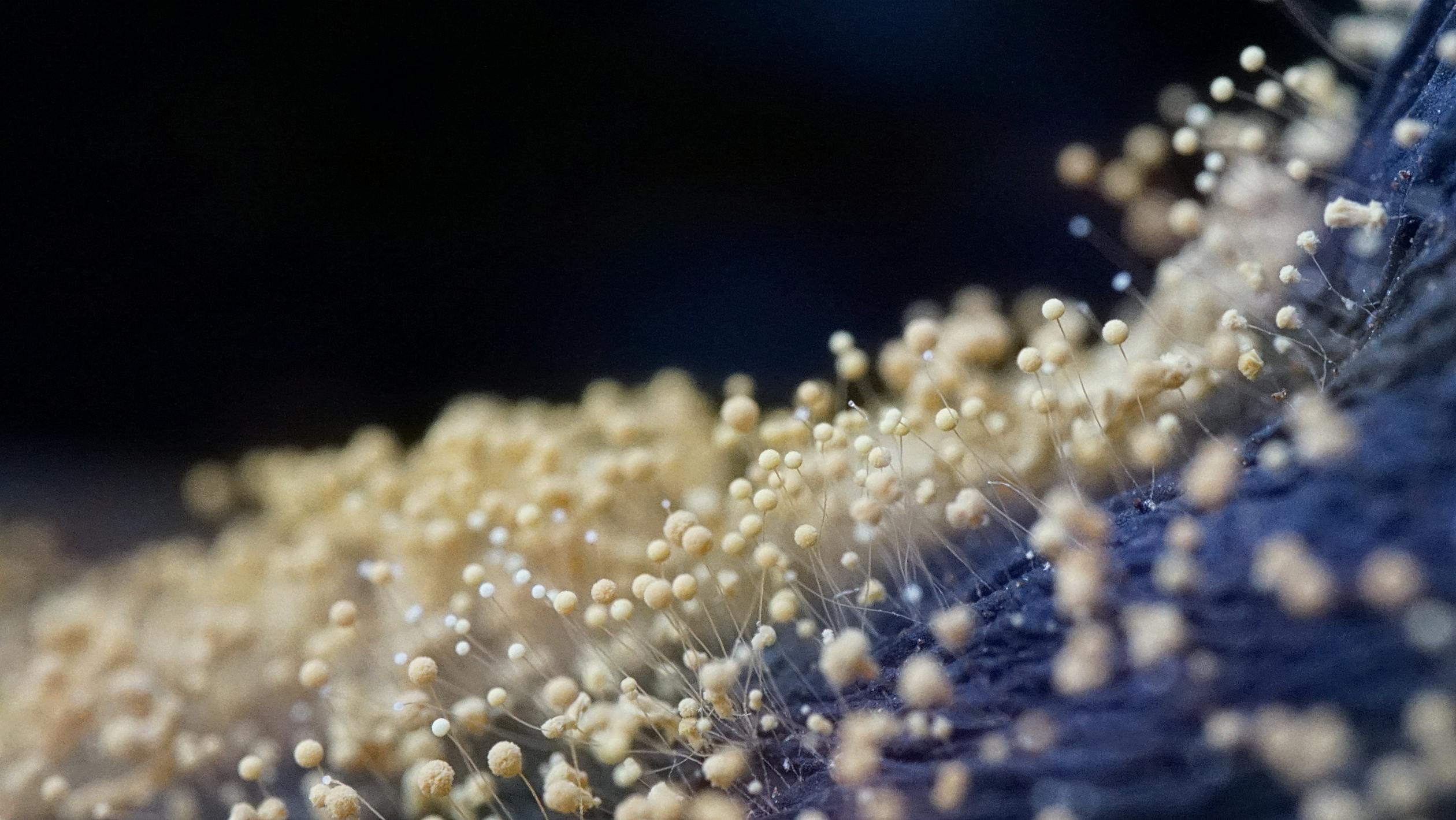
A practical guide to understanding three distinct immune responses triggered by the same environmental threat, and why diagnosis matters for recovery.
By Brian Wentzel | GoneGreenStore.com | Updated April 2026
You breathe in mold spores. Your neighbor breathes in the same spores. One of you gets a runny nose that clears in hours. The other develops brain fog, joint pain, and fatigue that lasts for months, even years.
Same exposure. Completely different outcomes.
This is the puzzle that frustrated me for over a decade before I understood what was actually happening inside my body. Mold exposure affects people in radically different ways, and the medical system doesn't always recognize why. There's mold allergy (the recognized culprit with clear testing protocols). There's mold sensitivity (harder to detect, less understood). And then there's CIRS (Chronic Inflammatory Response Syndrome), a full-body systemic inflammatory cascade that most conventional doctors still don't screen for.
Understanding which condition you have isn't academic. It determines everything: which tests matter, which treatments help, and whether you recover.
Let me walk you through the three conditions, their distinctions, and how to identify which one you're dealing with.
Mold allergy is the most recognizable condition and the one conventional allergists routinely test for. It's driven by a specific immune mechanism: when you inhale mold spores, your body produces Immunoglobulin E (IgE) antibodies against mold proteins.
These IgE antibodies bind to mast cells, the immune cells that release histamine and other inflammatory mediators in response. This causes the classic allergy symptoms: nasal congestion, sneezing, itchy eyes, asthma-like symptoms (in some cases), or skin reactions.
The defining feature is timing and specificity. Symptoms appear quickly, often within minutes to a few hours of mold exposure, and typically resolve within hours to a day once you're away from the mold source. The triggers are often seasonal (mold counts peak in spring and fall) or locational (basements, bathrooms, damp areas).
Two primary tests confirm mold allergy:
Skin Prick Test (SPT): An allergist places a small amount of mold extract on your skin and makes a tiny puncture. A raised, itchy bump (wheal) within 15 minutes indicates IgE sensitization. This is fast, inexpensive ($200-400), and gives immediate results.
Serum IgE Testing (Specific IgE): A blood test measuring IgE antibodies to specific mold species. More expensive ($300-600 depending on the panel) but doesn't require an in-person visit and provides quantitative data.
Conventional allergists have well-established tools for IgE-mediated mold allergy. Common approaches your physician may discuss include antihistamines, nasal corticosteroid sprays, and for longer-term desensitization, immunotherapy (allergy shots or sublingual tablets). Environmental control — reducing mold spore exposure at home — is always part of the conversation. If asthma is involved, your doctor may also address that separately. Ask your allergist which combination is appropriate for your specific sensitivities and symptom pattern.
The good news: mold allergy is manageable and doesn't typically progress to systemic illness. The bad news: if your symptoms are more severe and persistent than typical allergy patterns, you're likely dealing with something else.
Mold sensitivity occupies an uncomfortable space in modern medicine; it's real, increasingly recognized by informed practitioners, yet largely absent from conventional diagnostic protocols. It's sometimes called "mold intolerance" or "non-IgE mediated mold reaction."
In mold sensitivity, your immune system activates against mold exposure, but without the classic IgE antibody response. Instead, other immune pathways trigger: IgG antibodies, T-cell activation, and innate immune responses. The result is inflammatory activation that's harder to trace through standard allergy testing.
Mold sensitivity can develop in anyone but is more common in people with:
Symptoms are more persistent than classical allergy and often overlap with CIRS, but without the full systemic cascade:
Here's where things get tricky: mold sensitivity symptoms can mimic CIRS, but the underlying mechanism is simpler. In sensitivity, the problem is primarily localized to the respiratory tract and immune system. In CIRS, it cascades throughout the body's inflammatory networks.
Conventional allergy testing often comes back negative in mold sensitivity cases, which is why people get dismissed as having "nothing wrong" when they clearly feel ill.
IgG Antibodies to Mold: Some functional medicine labs offer IgG panels to mold species. These show past or ongoing immune activation. More expensive ($300-500) and not universally accepted by conventional medicine, but useful in confirming immune activation.
Total IgE with Mold Component Testing: A functional immunology approach examining total IgE and specific mold IgGs together.
Environmental Mold Assessment: Since sensitivity is triggered by actual mold presence, professional mold inspection and testing of your living space can be diagnostic. If symptoms improve after remediation, sensitivity was likely the culprit.
Because mold sensitivity isn't a single recognized disease, there's no one-size-fits-all protocol. Functional medicine and integrative practitioners commonly explore a combination of environmental remediation, respiratory support, and nutritional foundations — but the right approach depends on your individual history and test results. The notes below reflect what's commonly discussed in clinical practice; work with a qualified practitioner to determine what applies to you.
The critical difference from allergy treatment: antihistamines alone rarely resolve mold sensitivity. You must address the underlying mold exposure and rebuild immune tolerance.
This is where I spent fifteen years lost in the medical system. CIRS (Chronic Inflammatory Response Syndrome) is fundamentally different from both allergy and sensitivity. It's a multi-system inflammatory condition triggered by biotoxin exposure (including mold) in genetically susceptible individuals.
Here's the breakthrough discovery from Dr. Ritchie Shoemaker's decades of research: not everyone gets CIRS from mold exposure. About 24% of the population carries genetic variants in the HLA-DR gene complex that prevents them from clearing biotoxins efficiently.
HLA-DR molecules present antigens to immune cells. In certain variants, the immune system doesn't "see" biotoxin-derived antigens properly, so it can't neutralize them through normal pathways. Instead, the immune system gets stuck in a chronic activation loop, constantly trying to fight an enemy it can't fully recognize.
This is why your best friend can live in a moldy house and feel fine, while you develop severe illness from the same exposure. It's not weakness or hypochondria. It's genetics.
When a genetically susceptible person is exposed to mold (or water-damaged buildings, Lyme disease, specific algal toxins), the biotoxins trigger a cascade:
1. Initial exposure: Mold spores or mycotoxins enter the respiratory tract
2. Immune recognition fails: The HLA-DR variant can't efficiently present the biotoxin antigens
3. Complement activation: The immune system's complement cascade activates, flooding the body with inflammatory proteins like C3a and C4a
4. Inflammatory amplification: These complement proteins trigger cytokine release (TNF-alpha, IL-6, IL-1beta), activating inflammatory pathways throughout the body
5. Tissue damage and autoimmune activation: Chronic inflammation damages blood-brain barrier integrity, gut barrier function, and mitochondrial function
6. Neuroinflammation: Brain inflammation causes cognitive symptoms, mood changes, and pain amplification
7. Hormonal dysregulation: Chronic inflammation suppresses melanocyte-stimulating hormone (MSH) and ADH, disrupting hormone cascades
8. Persistence: Without treatment, the cascade continues indefinitely, even after exposure ends
|---------|-------------|------|
This is why CIRS is so commonly misdiagnosed. The symptom list is long and systemic; patients often get labeled with fibromyalgia, chronic fatigue syndrome, autoimmune disease, or psychiatric conditions before CIRS is considered:
Neurological:
Musculoskeletal:
Constitutional:
Respiratory:
Gastrointestinal:
Other:
This is what separates CIRS from purely subjective conditions: measurable biomarkers show the inflammatory cascade.
The Shoemaker Protocol screens for:
C3a and C4a (Complement fragments): Elevated in ~95% of CIRS patients. These proteins, when overproduced, directly cause inflammation. Normal range: C3a <2000 pg/mL, C4a <2830 pg/mL. CIRS patients often show 2-10x elevation.
TGF-beta (Transforming Growth Factor-Beta): Elevated in ~90% of CIRS patients. This protein drives fibrosis (scarring) and contributes to tissue damage. Normal: <23 ng/mL. CIRS patients: often 30-100+ ng/mL.
MMP9 (Matrix Metalloproteinase-9): Elevated in ~75% of CIRS patients. This enzyme breaks down the blood-brain barrier and contributes to neuroinflammation. Normal: <85 ng/mL. CIRS: often >200 ng/mL.
MSH (Melanocyte-Stimulating Hormone): Low in ~80% of CIRS patients. MSH is an anti-inflammatory hormone that regulates pain and immune function. Low MSH perpetuates CIRS. Normal: >35.2 pg/mL. CIRS: often <35 pg/mL.
VIP (Vasoactive Intestinal Peptide): Low in ~80% of CIRS patients. VIP is neuroprotective and anti-inflammatory. Low VIP contributes to neuroinflammation and sleep dysfunction. Normal: >23 pg/mL. CIRS: often <10 pg/mL.
ADH/Osmolality: Dysregulated in ~80% of CIRS patients, causing inappropriate fluid regulation and contributing to fatigue and neurological symptoms.
Lyme co-infections and other markers: Testing varies based on exposure history.
These aren't subjective; they're measurable protein levels in the bloodstream reflecting the inflammatory cascade.
Here's what the Shoemaker research shows: of genetically susceptible people (HLA-DR positive) with CIRS, approximately 76% achieve full recovery under proper clinical care, according to Shoemaker research, while 24% develop a treatment-resistant form. This doesn't mean the others don't improve;it means true remission is harder.
But, crucially, 76% recovery is stunning compared to untreated CIRS, where the condition typically progresses and worsens over time.
Standard allergy testing and conventional bloodwork miss CIRS entirely. You need specialized testing:
HLA-DR Genetic Testing: Quest Labs or LabCorp can run this. Costs $200-400. This test answers: "Do I carry the genetic variants that make me susceptible?" A positive HLA-DR doesn't diagnose CIRS, but a negative HLA-DR makes CIRS unlikely.
Shoemaker Protocol Biomarkers: C3a, C4a, TGF-beta, MMP9, MSH, VIP, ADH/osmolality. Total cost: $1,000-1,500 through functional medicine labs. These measure the inflammatory cascade directly.
Mycotoxin Testing: If mold exposure is confirmed, urine mycotoxin testing (Realtime Labs, Great Plains Laboratory) can confirm mycotoxin uptake. $300-500.
Supporting Markers:
The key difference from allergy testing: you're not looking for IgE antibodies. You're looking for evidence of the inflammatory cascade itself.
Let me spend a moment on this, because understanding HLA-DR changed everything for me.
The Human Leukocyte Antigen (HLA) complex is your immune system's "ID card system." HLA molecules display antigen fragments to immune cells, essentially saying: "Here's what we're fighting against." If your immune cells can't see the antigen clearly because your HLA variant doesn't present it well, your immune system can't mount an appropriate response.
In CIRS, certain HLA-DR variants can't efficiently present biotoxin-derived antigens. The biotoxin keeps circulating. The immune system keeps trying. The inflammation never resolves.
The variants most associated with susceptibility include HLA-DR1, HLA-DR3, HLA-DR4, HLA-DR6, and HLA-DR7. These account for roughly 24% of the population. If you carry any of these variants and are exposed to a biotoxin-producing environment, CIRS becomes possible.
Conversely, HLA-DR2 and HLA-DR5 variants appear more protective; people with these variants often clear biotoxins naturally without developing CIRS.
This is why CIRS isn't contagious, isn't in your head, and isn't something you can "think away." It's biochemistry meeting genetics.
Here's the practical decision tree:
Go with: Allergy testing (skin prick or serum IgE)
Cost: $200-600
Timeline: Results in days
Your next step: Environmental control + discuss allergy management options with your allergist
Go with: IgG mold testing + environmental assessment + trial remediation
Cost: $300-500
Timeline: 2-4 weeks
Your next step: Professional mold remediation + discuss respiratory support options with your physician
Go with: Full Shoemaker Protocol (HLA-DR + biomarkers + mycotoxin testing)
Cost: $1,500-2,500 for comprehensive testing
Timeline: 3-4 weeks
Your next step: Consult a CIRS-knowledgeable practitioner to discuss the Shoemaker Protocol (if positive)
Go with: HLA-DR genetic test first (cheapest, fastest)
Cost: $200-400
Timeline: 1-2 weeks
If positive: Continue to biomarkers
If negative: Likely mold allergy or sensitivity; proceed with allergy/sensitivity testing
This is where understanding which condition you have becomes clinically essential.
For confirmed IgE-mediated mold allergy, conventional allergists typically focus on reducing exposure and managing immune response. Common tools your doctor may discuss: environmental controls (dehumidifiers, HEPA filtration, moisture management), antihistamines as needed, and daily nasal corticosteroid spray. For significant or persistent symptoms, immunotherapy is often worth asking about. Research suggests improvement within days to weeks of meaningful exposure reduction for most allergy patients.
Professional mold remediation is the non-negotiable foundation — no supplement protocol compensates for ongoing exposure. Beyond that, integrative practitioners commonly explore saline nasal irrigation, targeted nutritional support (quercetin, omega-3s, vitamin D), and gut restoration as part of a broader approach. Some practitioners also consider herbal antimicrobials depending on the clinical picture. Work with a qualified practitioner to determine what combination is appropriate for your situation; research suggests improvement within 2–6 weeks of remediation when other supports are in place.
CIRS requires a qualified practitioner — this is not a self-managed condition. The Shoemaker Protocol, the most validated clinical approach, is outlined here for educational context so you know what to ask about. The foundation typically includes:
1. Removal from exposure (non-negotiable)
2. Cholestyramine or equivalent binder (removes biotoxins from circulation)
3. MSH replacement (nasal spray to restore anti-inflammatory hormone)
4. VIP replacement (if severely low; specialized compounding)
5. Antiinflammatory diet (often low-carb, anti-inflammatory)
6. Mitochondrial support (CoQ10, carnitine, B vitamins)
7. Gut restoration (addressing dysbiosis, leaky gut)
8. Drainage pathways (lymphatic support, sauna, gentle sweating)
9. VCS test (Visual Contrast Sensitivity, a non-invasive measure of CNS involvement)
10. Repeat biomarker testing (at 12 weeks and 6 months to track improvement)
Expected timeline: Significant improvement in 3-6 months; full recovery in 12-24 months (for 76% of genetically susceptible individuals)
The dramatic difference: Untreated CIRS typically worsens over time. Under the care of a CIRS-knowledgeable practitioner, the majority of patients see significant improvement.
If you're reading this because you've been sick from mold exposure, here's a practical framework for next steps — in each case, the goal is to gather data and bring it to the right kind of physician:
Start with clarity. Get tested. The cost of testing ($200-2,000) is negligible compared to years of inappropriate treatment or unresolved illness.
Be your own advocate. Most conventional doctors still don't screen for CIRS. You may need to pursue functional medicine practitioners or Shoemaker-trained clinicians. The Surviving Mold organization (survivingmold.com) maintains a list of CIRS-knowledgeable practitioners.
Trust the biomarkers, not the dismissal. If multiple practitioners have told you "it's all in your head" but your biomarkers show C3a elevation, TGF-beta elevation, and MSH suppression, you have objective inflammation. You're not imagining it.
Remember the recovery rates. 76% of genetically susceptible CIRS patients recover completely with proper treatment. That's not odds you should ignore.
The difference between mold allergy, sensitivity, and CIRS isn't semantic; it's the difference between needing an antihistamine and needing comprehensive biotoxin treatment.
If you're ready to understand which condition you're dealing with:
→ Start with the EquiLife HLA-DR genetic test to determine genetic susceptibility
→ Pair it with the EquiLife Comprehensive Wellness Panel (C3a, C4a, TGF-beta, MMP9, MSH, VIP biomarkers)
→ Get professional mold assessment if you haven't already (try Got Mold? — use code GONEGREEN10 for 10% off)
→ Download our Mold-Free Home Guide to understand remediation strategies for each condition
These tests and resources are available through GoneGreenStore.com. Not sure which test to start with? Book a Lab Selection Call ($49, refundable) with an EquiLife health coach. The clarity is worth it.
For the full functional testing framework, start with our Functional Medicine Testing guide. Your recovery depends on understanding what's actually happening in your body, not on hoping the right supplement or diet will somehow address an underlying condition you haven't diagnosed. Get tested. Get clear. Get treated appropriately.
Read next in this series:

