
Total: $0.00
Taxes and shipping calculated at checkout

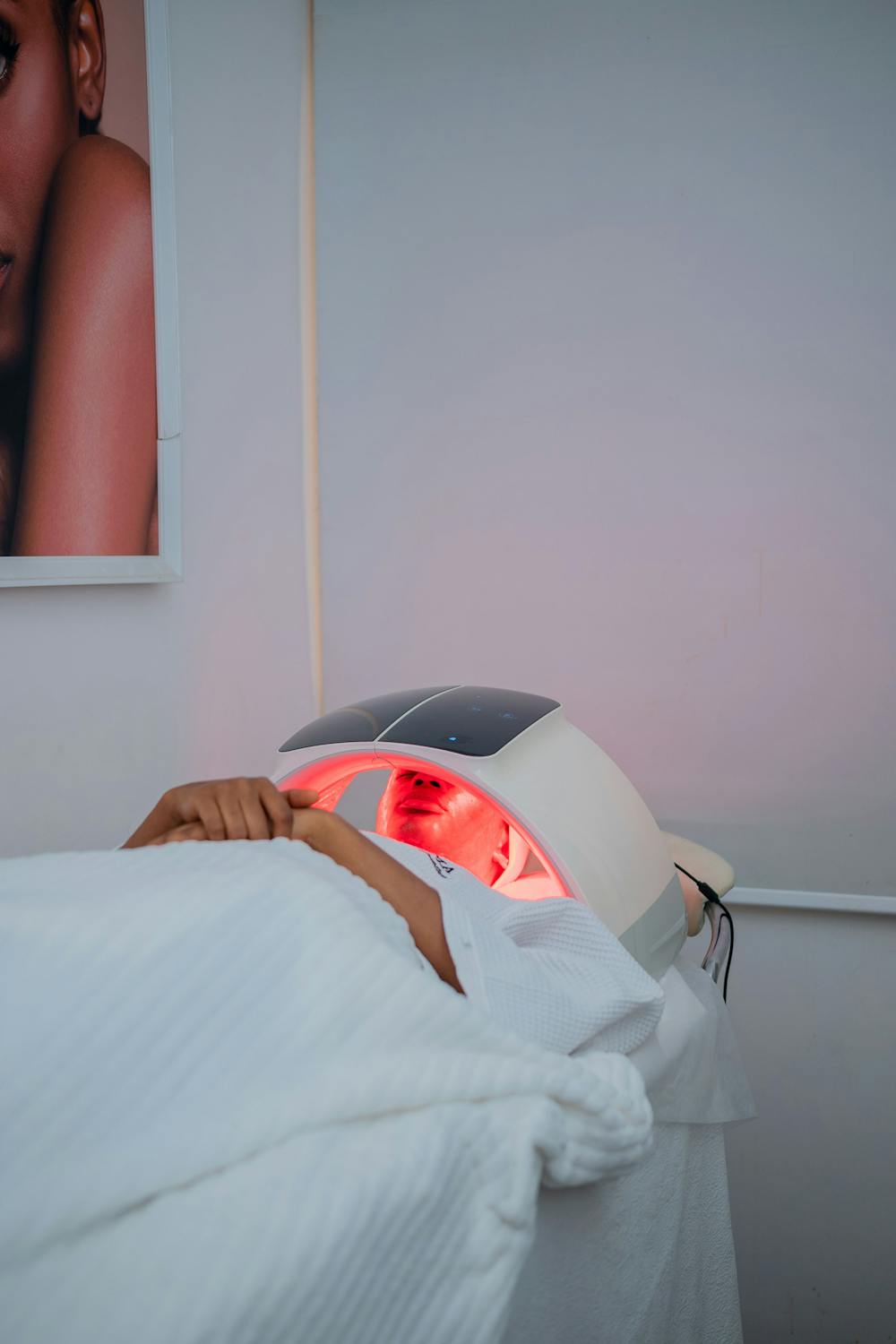
How photobiomodulation works at the cellular level, why full-spectrum infrared saunas are also light therapy devices, and specific protocols for using near-infrared to support mitochondrial function during detox and recovery.
By Brian Wentzel | GoneGreenStore.com | Updated April 2026
Red light therapy has exploded in the wellness market. Joovv, Platinum LED, and dozens of competitors sell panels that promise skin rejuvenation, pain reduction, and improved recovery. The marketing is heavy on buzzwords and light on mechanism – "cellular energy," "rejuvenation," "optimization." For the general consumer, this level of explanation is sufficient. For someone navigating chronic illness recovery, it's not.
If you're dealing with mold illness, CIRS, chronic Lyme, or other conditions where mitochondrial dysfunction is a documented feature of the disease process, understanding what photobiomodulation actually does – at the molecular level – changes how you think about light therapy. It also changes what you look for in a device, because it turns out that a quality full-spectrum infrared sauna delivers near-infrared photobiomodulation as an inherent feature of its operation, not just as a marketing add-on.
This guide covers the cellular mechanism, the clinical evidence, and how to integrate light therapy into a recovery protocol that's already built around infrared sauna therapy. our complete infrared sauna therapy guide
Photobiomodulation (PBM) is the technical term for using specific wavelengths of light to produce measurable biological changes in cells and tissue. The word means exactly what its components suggest: photo (light), bio (biological), modulation (alteration). It's not a vague wellness concept – it's a defined photochemical interaction with identified molecular targets.
The primary molecular target of photobiomodulation is cytochrome c oxidase (CCO) – a protein complex located in the inner membrane of mitochondria. CCO is the fourth and final complex in the electron transport chain, the metabolic pathway that produces ATP (adenosine triphosphate), the energy currency of every cell in your body.
CCO has chromophores – light-absorbing molecular structures – that absorb photons in the red (620-680 nm) and near-infrared (780-1100 nm) wavelength ranges. When these photons are absorbed, they cause a conformational change in the CCO protein that increases its activity. More active CCO means faster electron transport, which means more ATP production.
In practical terms: red and near-infrared light makes your mitochondria produce energy more efficiently. This isn't a theoretical prediction – it's a measured phenomenon documented in hundreds of cell culture and animal studies and an increasing number of human clinical trials.
There's a second mechanism that's equally important. In damaged or stressed cells, nitric oxide (NO) binds to CCO and competitively inhibits oxygen binding. This is called "nitrosative stress" – the NO molecule occupies the binding site that oxygen needs, effectively throttling ATP production. Your mitochondria have the structural capacity to produce more energy, but they're being blocked.
When near-infrared photons are absorbed by CCO, they dissociate (break loose) the bound nitric oxide. The NO is released, oxygen can bind, and ATP production resumes at full capacity. The freed NO then diffuses into surrounding tissue where it acts as a vasodilator – improving local blood flow and oxygen delivery.
This dual mechanism – direct CCO activation plus NO liberation – is why photobiomodulation often produces rapid, noticeable effects. You're not building something new. You're unblocking something that was already there but suppressed.
The immediate increase in ATP production triggers a cascade of downstream cellular responses. Increased ATP activates transcription factors (particularly NF-kB and AP-1) that upregulate genes involved in cellular repair, proliferation, and anti-inflammatory signaling. Reactive oxygen species (ROS) produced in controlled amounts by the revved-up electron transport chain activate NRF2 – the master antioxidant switch that upregulates glutathione, superoxide dismutase, and other endogenous antioxidant systems.
The net result at the tissue level: reduced inflammation, enhanced tissue repair, improved cellular metabolism, increased collagen synthesis, and accelerated wound healing. These aren't theoretical – they're documented outcomes across thousands of studies in dermatology, dentistry, orthopedics, and neurology.
Here's the connection that most red light therapy marketing and most sauna marketing both miss: a full-spectrum infrared sauna delivers near-infrared radiation (700-1400 nm) as an inherent part of its operation. When you sit in a full-spectrum sauna, you're receiving photobiomodulation therapy simultaneously with detoxification therapy.
The Therasage Thera360 Plus, for example, uses heating elements that produce near-infrared, mid-infrared, and far-infrared wavelengths. The near-infrared component falls squarely within the photobiomodulation therapeutic window. During a 30 to 45 minute session, you're receiving extended near-infrared exposure to a significant portion of your body surface area.
This is a meaningful advantage over dedicated red light panels for the chronic illness population. A panel like the Joovv delivers concentrated light to a specific body area for 10 to 20 minutes. A full-spectrum sauna delivers lower-intensity but whole-body near-infrared for 30 to 45 minutes while simultaneously providing the detoxification benefits of far infrared. For systemic mitochondrial support – which is what chronically ill patients need – the whole-body, extended-duration exposure of a sauna session may be more appropriate than targeted panel therapy.
To understand why photobiomodulation is relevant to chronic illness recovery, you need to understand what mitochondrial dysfunction actually looks like in these conditions.
Mycotoxins, heavy metals, and environmental chemicals damage mitochondria through multiple mechanisms. Ochratoxin A (a common mold mycotoxin) directly inhibits electron transport chain complexes. Mercury disrupts the mitochondrial membrane. Lead interferes with calcium signaling in mitochondria. Aflatoxin generates excessive reactive oxygen species that damage mitochondrial DNA.
The result is a progressive decline in cellular energy production. Individual cells produce less ATP. Tissues that are highly metabolic – brain, heart, liver, immune cells – are affected first and most severely. The clinical manifestation is the constellation of symptoms that characterize environmental illness: profound fatigue that doesn't respond to rest, brain fog and cognitive impairment, exercise intolerance, immune dysfunction, and pain.
This is the central problem: your body needs energy to detoxify and heal, but the toxins have damaged the energy production machinery. It's a catch-22. Sauna therapy mobilizes stored toxins, but processing those toxins requires cellular energy. Binder protocols capture toxins in the gut, but the liver's processing capacity depends on adequate ATP production. Immune function requires enormous energy – a single activated immune cell can consume 100 times more glucose than a resting cell.
Photobiomodulation addresses this catch-22 directly. By unblocking CCO and enhancing electron transport chain efficiency, near-infrared light increases the ATP available for detoxification, immune function, and tissue repair. It doesn't cure the underlying toxin problem, but it provides the energy your cells need to process the recovery workload. why some people feel worse during detox
If you're using a full-spectrum infrared sauna like the Thera360 Plus, you're already receiving photobiomodulation during every session. The near-infrared component is delivered automatically as part of the heat therapy. No additional equipment needed.
To maximize the photobiomodulation component, ensure your skin is exposed to the heating panels – don't wrap in towels or blankets that block the near-infrared wavelengths. The light needs to reach your skin to be absorbed by tissue and reach mitochondria.
If you're using a far-infrared-only sauna, you can supplement with a dedicated red/near-infrared panel used before or after your sauna session. The typical protocol is 10 to 20 minutes of panel exposure at 6 to 12 inches from skin, targeting areas of concern (whole body if using a large panel, or chest/back/head for systemic effect).
Pre-sauna light therapy has a theoretical advantage: it primes the mitochondria with increased ATP production before the sauna session mobilizes toxins that need to be processed. Post-sauna light therapy supports recovery from the metabolic demand of the heat session.
For people who don't yet have an infrared sauna, red/near-infrared panel therapy provides the mitochondrial support component independently. Daily sessions of 10 to 20 minutes at appropriate distance deliver therapeutic doses of photobiomodulation. This is particularly useful for targeted applications – face and head exposure for brain fog and neuroinflammation, abdominal exposure for liver support.
Photobiomodulation follows a biphasic dose-response curve (the Arndt-Schulz law) – too little light produces no effect, the right amount produces therapeutic benefit, and too much can actually inhibit cellular function. This is why "more is better" doesn't apply.
For near-infrared from an infrared sauna, standard session durations (30-45 minutes) at normal operating distances naturally fall within the therapeutic window. For dedicated panels, follow manufacturer distance and duration recommendations. If you're purchasing a panel, look for devices that specify power density in milliwatts per square centimeter (mW/cm2) at the recommended treatment distance. Therapeutic ranges are typically 10 to 100 mW/cm2 depending on the condition being addressed.
While mitochondrial support is the primary mechanism relevant to chronic illness, photobiomodulation has additional documented benefits.
Thyroid support: Near-infrared exposure to the thyroid gland has shown benefit in subclinical hypothyroidism and Hashimoto's thyroiditis in clinical studies. For environmental illness patients with thyroid dysfunction (common in mold illness due to mycotoxin effects on the hypothalamic-pituitary-thyroid axis), targeted neck exposure during sauna sessions provides incidental thyroid support.
Wound healing and tissue repair: Photobiomodulation accelerates wound healing through enhanced fibroblast activity and collagen synthesis. For patients with gut lining damage from mycotoxin exposure or those recovering from surgical interventions, this mechanism supports tissue repair.
Inflammation reduction: The NF-kB modulation triggered by photobiomodulation shifts inflammatory signaling toward resolution. Combined with the anti-inflammatory effects of cold therapy norepinephrine (if you're using contrast therapy), this creates multiple anti-inflammatory inputs that address the chronic inflammation driving symptoms in CIRS and biotoxin illness. contrast therapy protocols
Neuroinflammation: Transcranial photobiomodulation – near-infrared light applied to the head – has shown promise in studies on cognitive function, traumatic brain injury, and neurodegenerative conditions. For mold illness patients with significant cognitive symptoms (brain fog, memory issues, word-finding difficulty), head exposure during sauna sessions or via dedicated panels may provide neurological support.
Photobiomodulation isn't a wellness trend – it's a documented photochemical interaction between specific light wavelengths and mitochondrial enzymes. For the chronic illness population, where mitochondrial dysfunction is a core feature of the disease process, supporting cellular energy production with near-infrared light directly addresses the energy deficit that limits detoxification, immune function, and healing.
If you're already using an infrared sauna for detox, choosing a full-spectrum model means you're getting mitochondrial support as part of every session. If you're using a far-infrared-only sauna, supplementing with a red/near-infrared panel adds the photobiomodulation component that supports your body's ability to process the detox workload.
The light isn't the treatment. The treatment is giving your cells the energy to treat themselves.
Next Steps:
Explore the Therasage Thera360 Plus full-spectrum infrared sauna for combined detoxification and photobiomodulation therapy. For dedicated panel options, visit our red light therapy collection.
This article is part of the complete mold recovery framework on GoneGreenStore.com. Explore related guides:

