
Total: $0.00
Taxes and shipping calculated at checkout

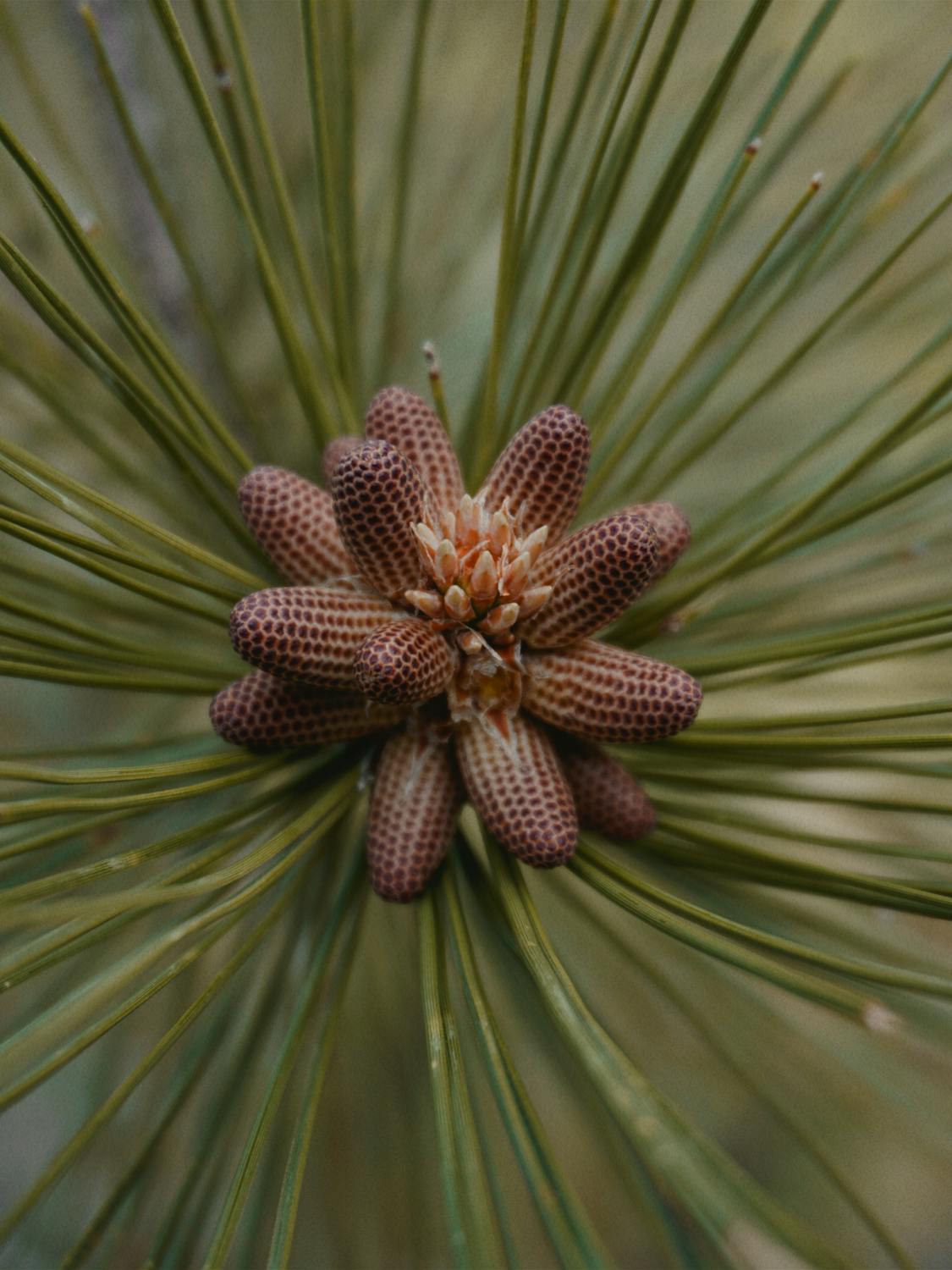
How an ancient herbal remedy—refined through centuries of Chinese medicine—rebuilds hormonal resilience and adrenal recovery after biotoxin stress.
By Brian Wentzel | GoneGreenStore.com | Updated April 2026
When most people think of adaptogens, they think of the trendy compounds that landed in their gym's smoothie bar: ashwagandha, rhodiola, cordyceps. Those are valuable. But they're the last mile of a much longer story.
Pine pollen has been at the center of longevity medicine in China for over 2,000 years. Not as a supplement industry novelty. As a foundational restorative for scholars, monks, and people recovering from chronic depletion.
In classical Chinese medicine, pine pollen is considered a tonifier of the kidney-yang system. The kidneys, in traditional medicine, aren't just your filtration organs—they're your deepest reserve of vital energy, your capacity to adapt to stress, and your basis for sexual vitality and longevity. Pine pollen was prescribed during recovery periods, used by elders to maintain vigor, and prepared as a court medicine for officials navigating intense stress.
The preparation method matters here. Traditional herbalists didn't just crush pine pollen and eat it. They understood that pollen has an extraordinarily tough outer wall (the exine), resistant to stomach acid and enzymatic breakdown. Real extraction—through fermentation, tincturing, or specialized processing—was necessary to unlock the bioactive compounds and make them bioavailable.
This wasn't superstition. This was biochemistry, understood and applied centuries before we had the language of "bioavailability" and "cellular uptake."
Pine pollen is remarkably nutrient-dense. Researchers have identified over 200 bioactive compounds, including:
Amino acids and proteins: - All nine essential amino acids (making it a complete protein source) - Proline, alanine, and glutamate in significant quantities - These form the basis for collagen production and neurotransmitter synthesis
Vitamins and minerals: - B vitamins (B1, B2, B3, B5, B6, B12—rare in plant sources) - Vitamin E and other fat-soluble antioxidants - Magnesium, zinc, copper, manganese, iron, calcium - Minerals that directly support adrenal function and stress resilience
Phyto-androgens: - DHEA precursors and phytosterols that support hormonal balance - Compounds that don't act like pharmaceutical testosterone but rather provide the molecular building blocks for hormonal optimization - These are the compounds that generated much of the early interest in pine pollen supplementation
Polysaccharides and antioxidants: - Beta-glucans that support immune function - Flavonoids and phenolic compounds that reduce oxidative stress - Critical for recovery from chronic inflammatory states like mold illness
Trace compounds: - Nucleotides and nucleosides (building blocks of DNA/RNA) - Fatty acids including linoleic and linolenic acid - Rare bioactive peptides
The density of bioactive compounds explains why pine pollen has remained in use for 2,000 years. It's not a single-mechanism supplement. It's a whole-plant concentrate that addresses multiple recovery systems simultaneously.
Here's where I need to be direct about the marketing versus the reality.
In recent years, pine pollen has been promoted in certain supplement circles as a "testosterone booster." The language gets extreme: "natural steroid alternative," "hormone hacking," "male vitality amplification." This is partially marketing hype and partially a misunderstanding of how adaptogens actually work.
Pine pollen does contain phyto-androgens—plant compounds structurally similar to DHEA and testosterone. Early research showed that men taking pine pollen sometimes experienced improvements in mood, energy, and sexual function. The initial conclusion: "Pine pollen raises testosterone."
The more nuanced truth is more interesting.
Pine pollen doesn't directly increase testosterone levels in the way pharmaceutical hormone replacement does. Instead, it provides:

