
Total: $0.00
Taxes and shipping calculated at checkout

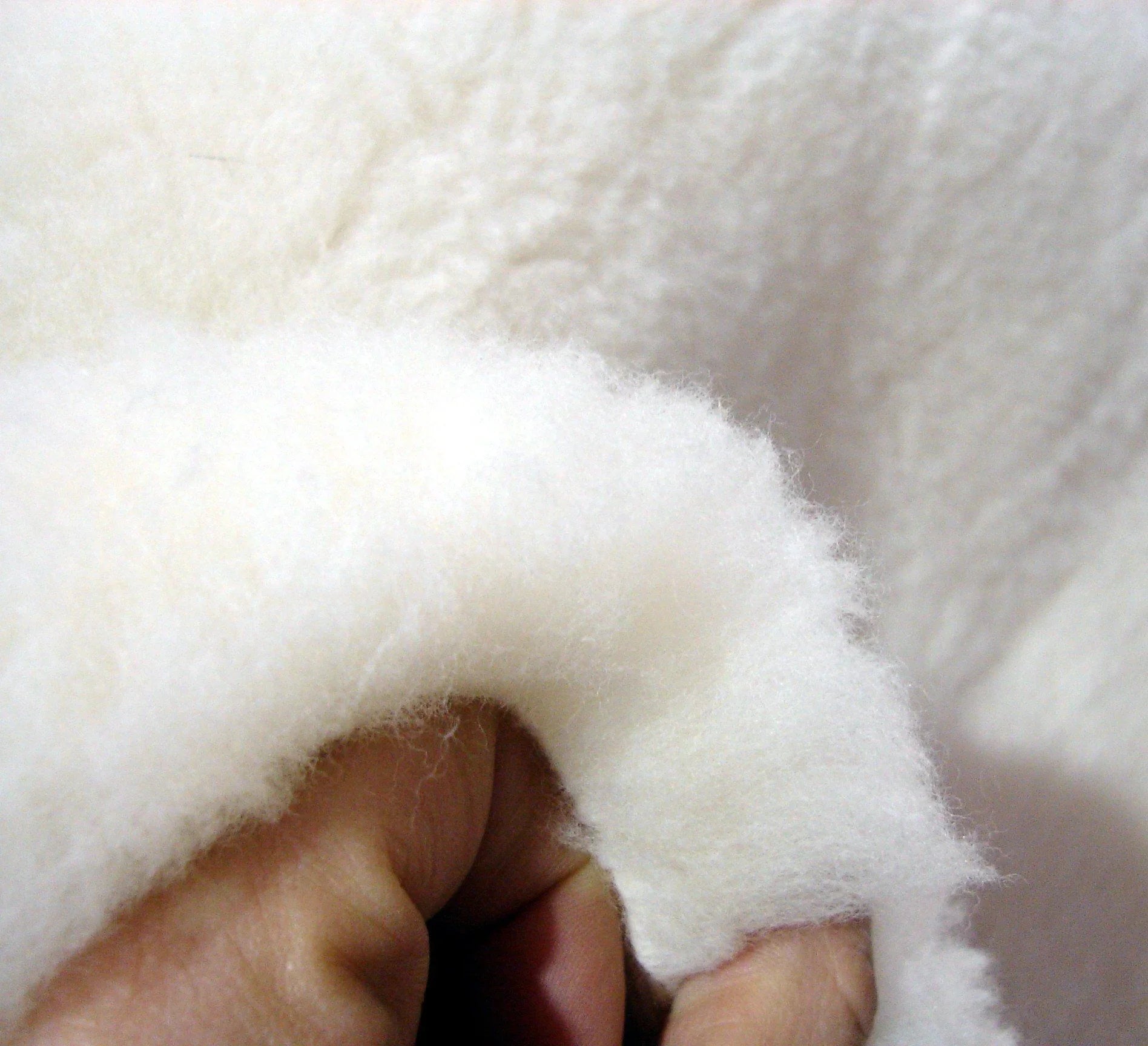
Walk into any department store or search for "allergy bedding" online and you will find walls of synthetic products: polyester-filled "hypoallergenic" pillows, microfiber mattress encasements, synthetic dust mite covers. The marketing message is consistent: synthetic materials are cleaner and safer for allergy sufferers.
The science says the opposite.
Independent anti-allergy bedding tests conducted under controlled conditions over six weeks perfectly simulated a typical bed environment with changes in humidity and temperature. House dust mites and fungal spores were introduced at the start of the test.
In the synthetic bedding, dust mites thrived. They reproduced. Allergen levels increased steadily throughout the six weeks. The warm, moist conditions inside polyester-filled bedding were ideal for colonization.
In the wool bedding, the result was zero surviving dust mites and zero dust mite allergens by the end of the test period. The wool's natural moisture management created conditions that were simply inhospitable to both mites and mold.
Wool's advantage comes from three mechanisms working together. First, the crimp structure of wool fibers creates microscopic air pockets that promote airflow and prevent the stagnant, humid conditions mites need. Second, wool's exceptional moisture-wicking ability draws sweat and humidity away from the sleeping surface and releases it as vapor, maintaining a dry microenvironment. Third, the lanolin naturally present in minimally processed wool has antimicrobial properties that further discourage biological colonization.
Synthetic materials do none of these things. Polyester is hydrophobic at the fiber level but traps moisture at the macro level because the dense, non-crimped fibers create a sealed environment. This is why polyester pillows and mattress pads become breeding grounds for dust mites and mold even when they carry "hypoallergenic" labels.
Natural latex is mold-resistant and dust-mite resistant, making it a reasonable option for many allergy sufferers. However, it has two drawbacks for the chemically sensitive population: the vulcanization process uses sulfur-based chemicals that give natural latex a distinctive odor that some sensitive individuals react to, and latex is not as effective as wool at moisture management since it does not absorb moisture the way wool does.
For mold illness survivors specifically, organic wool is the safer choice. For the general allergy population without chemical sensitivity, a wool-and-latex combination (available from Holy Lamb Organics) provides the best of both materials: wool's moisture management and antimicrobial properties on the sleep surface, with latex's support and durability in the core.

