
Total: $0.00
Taxes and shipping calculated at checkout

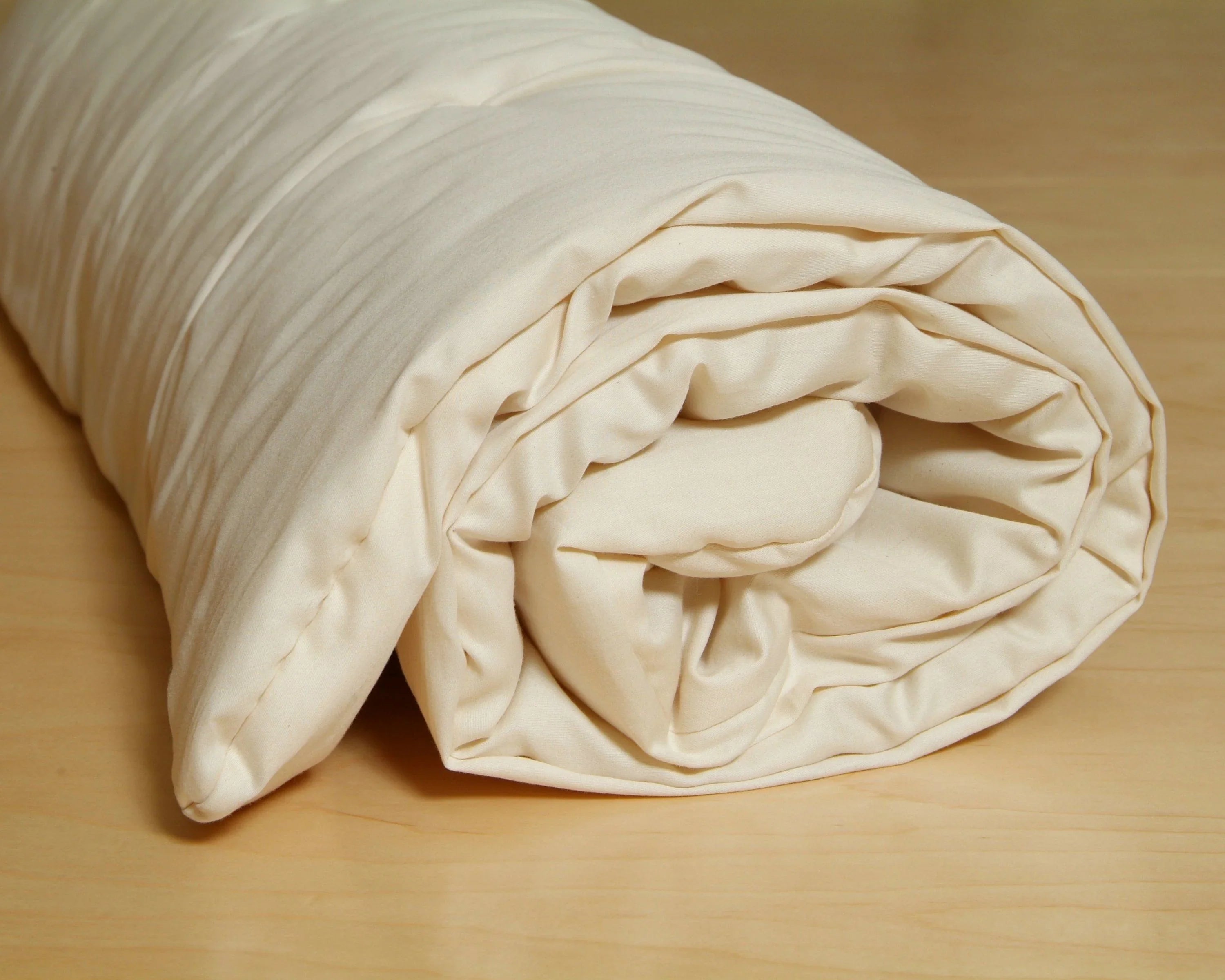
If you have Mast Cell Activation Syndrome or histamine intolerance, you already know that your environment is a minefield of potential triggers. Fragrances, chemicals, dust, mold, temperature fluctuations, and even certain fabrics can trigger mast cell degranulation and send you into a cascade of symptoms: flushing, itching, brain fog, insomnia, GI distress, and more.
Your bedroom is the one environment you should be able to control completely. And yet, for most MCAS patients, the bedroom is full of unrecognized triggers hidden inside their own bedding.
Mast cells are sentinel cells of the immune system. In MCAS, they are hyperreactive, degranulating in response to stimuli that would not bother a healthy person. Relevant to bedding, mast cell triggers include volatile organic compounds from synthetic materials and chemical treatments, dust mite allergens (their fecal particles are potent mast cell degranulators), mold spores and mycotoxins, formaldehyde and other chemical residues, and temperature extremes (overheating during sleep).
A conventional synthetic mattress and bedding set can expose you to all five categories simultaneously, every night, for eight hours. For someone with MCAS, this is not a theoretical concern. It is a nightly inflammatory event.
Organic wool bedding addresses each of those trigger categories. It eliminates VOC exposure because it contains no synthetic materials or chemical treatments. It prevents dust mite colonization because wool's moisture management creates conditions where mites cannot survive. It resists mold growth for the same moisture-related reasons. It introduces no formaldehyde or chemical residues because it is processed without chemicals. And it regulates temperature more effectively than any other bedding material, preventing the overheating that triggers many MCAS patients.
This is not a cure for MCAS. Nothing is. But it removes an entire category of triggers from your most important recovery environment. For patients who are already managing their condition with mast cell stabilizers, low-histamine diets, and trigger avoidance, cleaning up the sleep environment is one of the highest-impact interventions available.
If you have MCAS, you know that any new product introduction needs to be cautious. We recommend ordering Holy Lamb's material sensitivity kit first. Sleep with the wool and cotton samples near your face for several nights. Monitor your symptoms. If you tolerate the raw materials (most MCAS patients do), proceed with a pillow first as your lowest-risk entry point.
Wash new organic cotton sheets before first use with a fragrance-free, non-toxic detergent. Skip fabric softeners and dryer sheets entirely. Allow any wool product to air out for 24 to 48 hours before sleeping on it, even though organic wool has minimal odor, because your mast cells may respond to any novel stimulus initially.

