
Total: $0.00
Taxes and shipping calculated at checkout

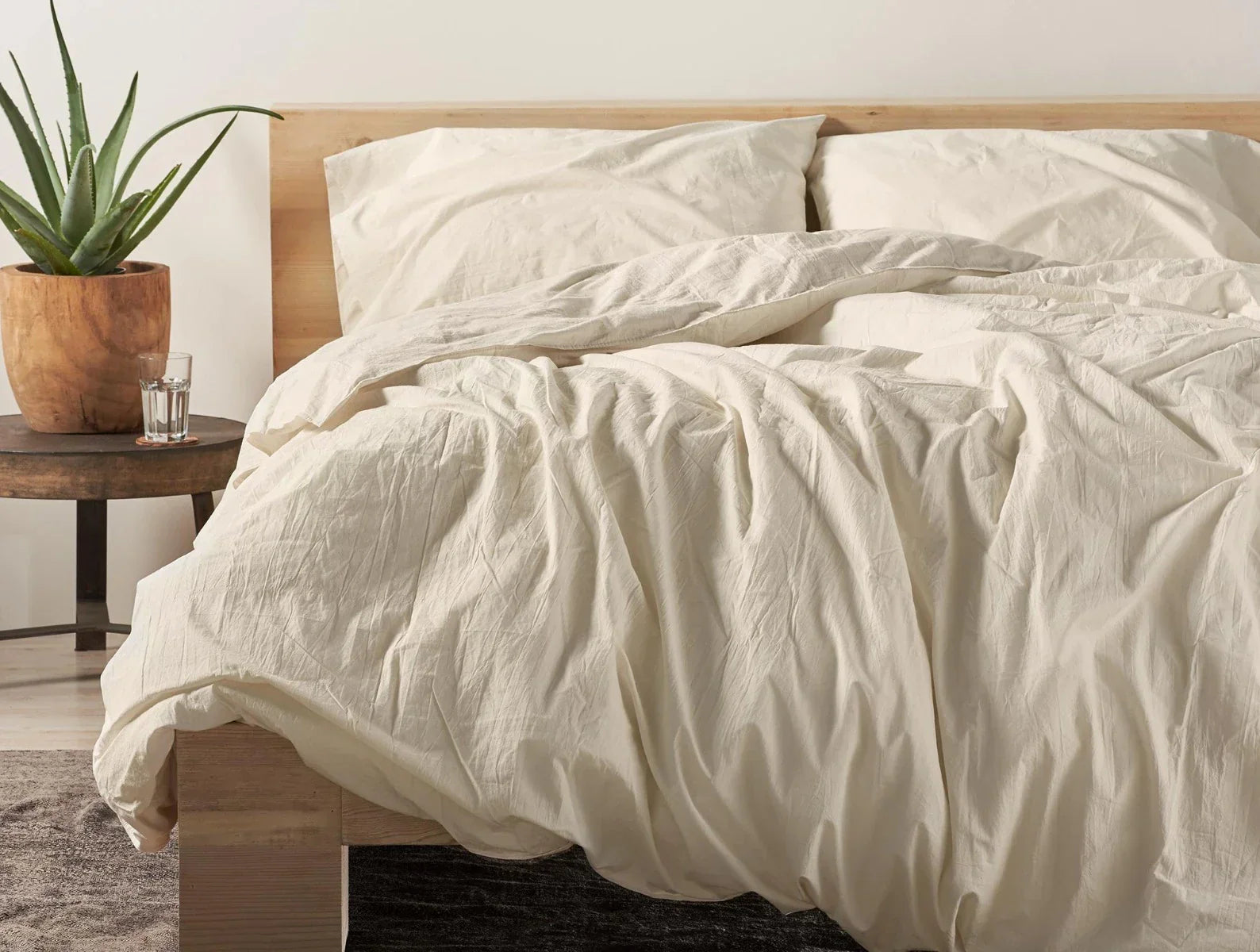
If you are recovering from mold illness, you cannot control every room in your home with equal precision. But you can control one room completely: your bedroom. Making your bedroom a true safe haven, free of mold triggers, chemical exposure, and inflammatory materials, gives your body the best possible conditions for healing during the hours when it does its most critical repair work.
This guide covers every element of a mold-free bedroom, from structural considerations to the specific products that belong in this space. It is designed for the CIRS survivor who is either setting up a new home or systematically converting their current bedroom into a recovery environment.
Flooring should be hard surface if possible. Carpet is a reservoir for dust mites, mold spores, and mycotoxins. If you are in a rental and cannot remove carpet, cover it with a washable area rug that can be regularly cleaned and keep the carpet vacuumed with a HEPA-filtered vacuum.
Walls should be painted with zero-VOC paint. Standard interior paints off-gas for weeks after application. Zero-VOC formulas from brands like Benjamin Moore Natura or Sherwin-Williams Harmony eliminate this exposure.
Air quality requires a quality HEPA air purifier running continuously. The purifier should be sized for the room (check the CADR rating against your room's square footage). Keep the bedroom door closed while the purifier runs for maximum effectiveness. Consider adding an activated carbon filter component if VOC sensitivity is a major concern.
This is where Holy Lamb Organics enters the picture. Your mattress, topper, pillow, and comforter should all be organic wool, organic cotton, or a combination of both. The complete non-toxic sleep system we recommend: an organic wool mattress topper (or full wool mattress if budget allows), an organic wool pillow, an organic wool comforter, organic cotton sheets (GOTS certified), and an organic wool moisture barrier if using a conventional mattress underneath.
Every one of these components is available from Holy Lamb Organics and available through our store at Gone Green. Each piece serves a specific function in creating a sleep surface that is mold-resistant, dust-mite resistant, VOC-free, and temperature-regulating.
Choose solid wood furniture over particleboard, MDF, or laminate. Composite wood products use formaldehyde-based adhesives that off-gas for years. If solid wood is not in the budget, look for furniture certified to CARB Phase 2 standards for low formaldehyde emissions, or buy secondhand furniture that has already off-gassed.
Keep the bedroom minimally furnished. Every surface is a potential dust collector. Every item in the room is a potential source of chemical exposure. The recovery bedroom should have a bed, a nightstand, and whatever you need for clothes storage. Nothing more.
Bedroom humidity should be maintained between 30 and 50 percent relative humidity. Below 30 percent causes dry airways and mucous membrane irritation. Above 50 percent creates conditions favorable for mold growth and dust mite reproduction. A simple hygrometer on your nightstand lets you monitor this daily.
In humid climates, a dehumidifier may be necessary. In dry climates, humidification may help. The goal is the Goldilocks zone: dry enough to prevent biological growth, moist enough for comfortable breathing. Wool bedding helps maintain this balance at the sleep surface level because of its natural moisture-management properties.
Hard surface flooring or washable area rug. Zero-VOC wall paint. HEPA air purifier sized for the room. Organic wool bedding (mattress or topper, pillow, comforter). GOTS-certified organic cotton sheets. Solid wood furniture. Minimal furnishings. Humidity between 30 and 50 percent RH. No synthetic fragrances, candles, or air fresheners. Fragrance-free, non-toxic cleaning products only. Washable window treatments in organic or natural fabrics. No electronics in the sleep zone if EMF sensitivity is a concern.
You do not need to do everything at once. Prioritize the changes by exposure intensity: air quality first, then pillow, then mattress barrier, then the rest. Build the room gradually. Every change moves you closer to a space that supports healing instead of fighting it.
